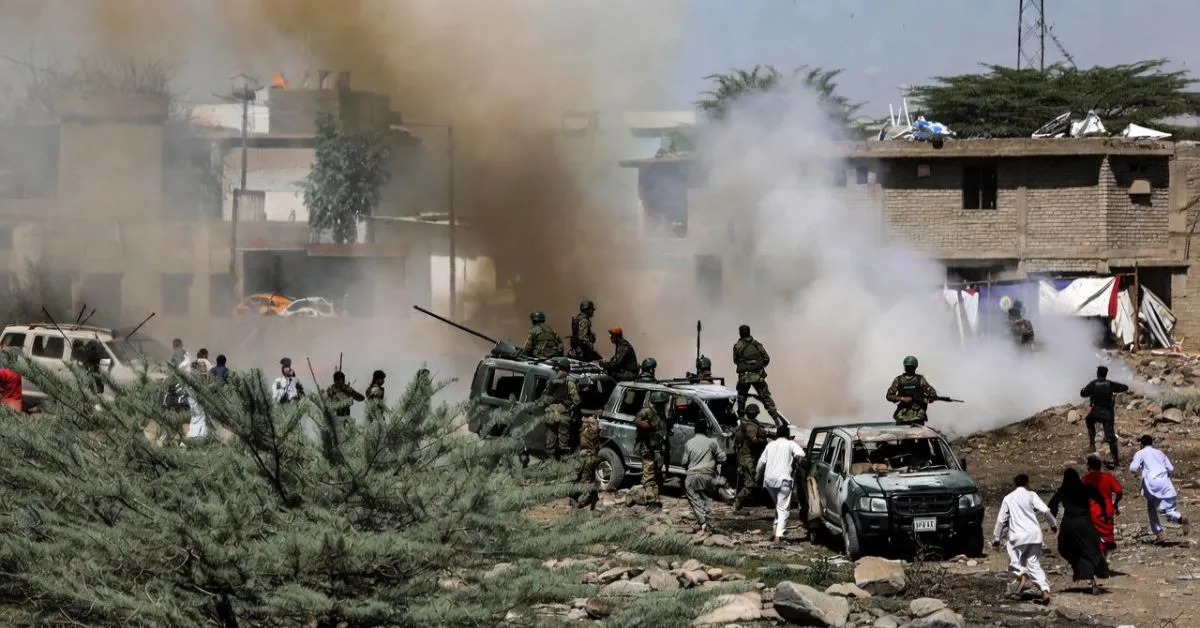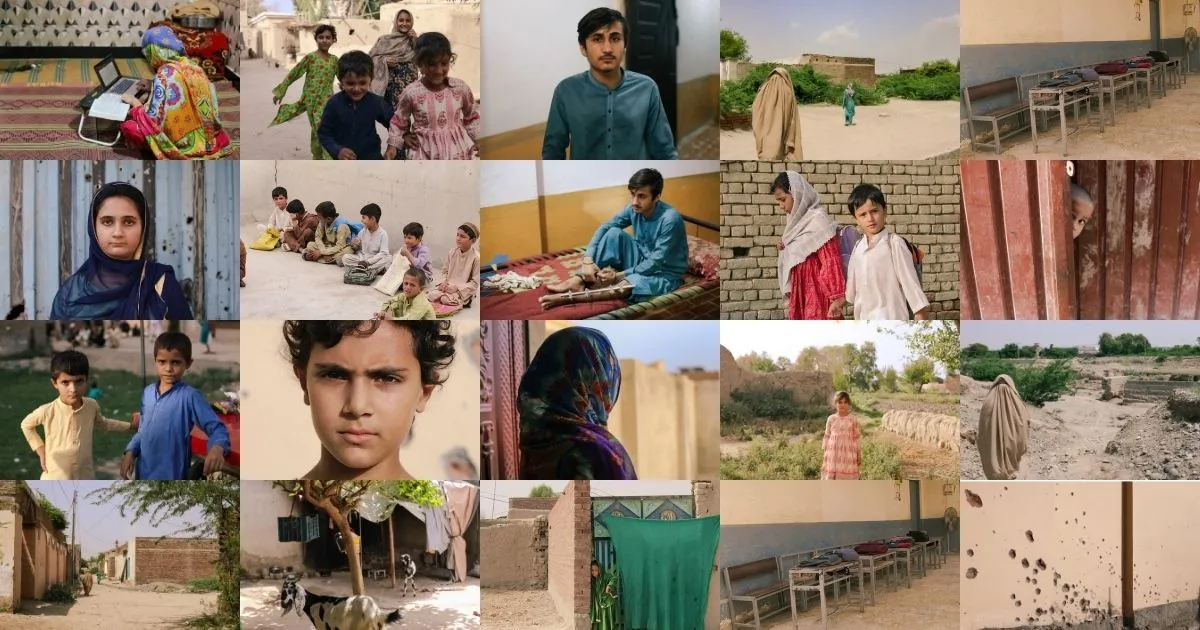
The children of Waziristan, a region in northwestern Pakistan along the Afghan border, are growing up surrounded by conflict.
For more than two decades, violence involving the Pakistani army, security forces, the Tehreek-e-Taliban Pakistan (TTP) and other militant groups has shaped everyday life.
Military operations in North and South Waziristan have displaced civilians, caused deaths and injuries, and disrupted daily life.
Living with Fear and Trauma
“I cannot sleep at night properly, and I keep having bad dreams.
Whenever the situation gets worse, I get scared and panic.”
— Gulalai
13-year-old Gulalai Dawar would retreat to her room whenever she heard drone attacks outside.
She believed she was safe there. But one day, a missile struck her house, injuring Gulalai in the stomach.
Displacement and the Human Cost of Conflict
As a consequence of the attack, Sunaib and his family had to leave their home and move 25 km to Wakeel Town, Bannu.
Also Read: Men, What Does Your Feed Look Like?
Broken homes, damaged schools, and destroyed mosques are visible reminders of what the conflict has left behind. But its impact extends far beyond the buildings: it has shaped the childhoods of an entire generation.
The Psychological Impact on Children
Dr Abdul Hai, a psychiatrist from Waziristan, said:
“I remember a four-year-old boy: his grandfather was shot dead in front of his eyes due to a family enmity. After witnessing the incident, the child suddenly became unable to speak or walk and regressed.”
A Region Where the Impact Remains Underreported
Restricted access to the region has also meant that much of the conflict and its impact on civilians remains underreported.