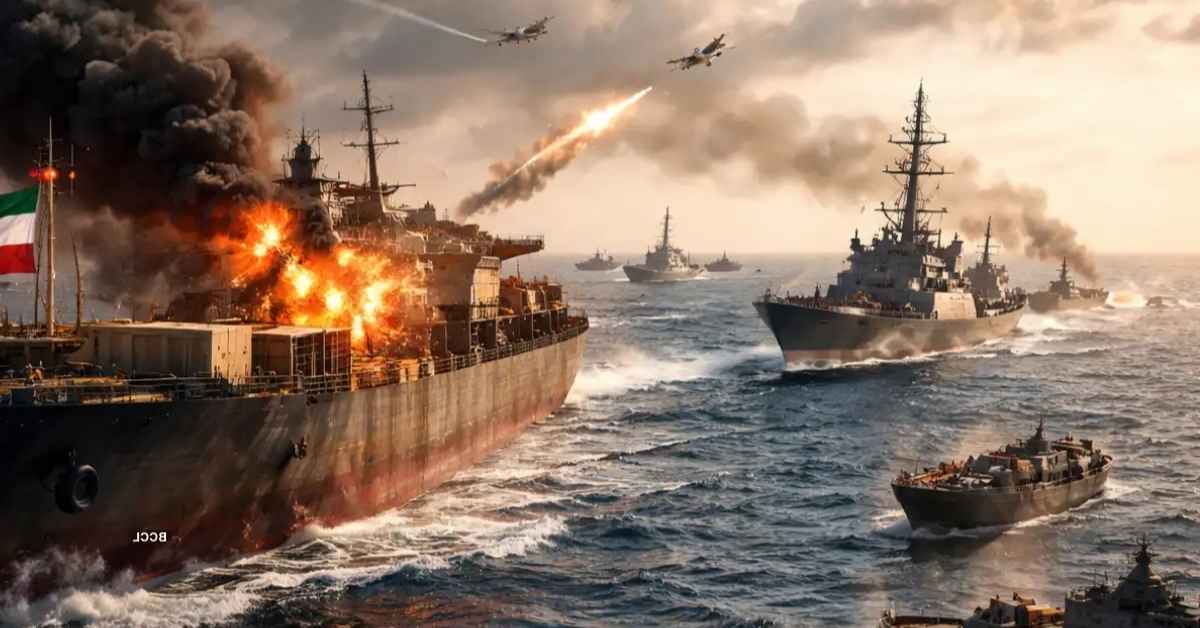
US Navy Seizes Iranian Cargo Ship in Gulf of Oman, Raising Fears Over Fragile Ceasefire. Tensions in the Middle East escalated sharply on April 19 when the US Navy intercepted and seized an Iranian-flagged cargo ship in the Gulf of Oman. US officials stated the vessel was attempting to evade the naval blockade imposed on Iranian ports last week.
This marks the first such forceful interception since the blockade began. Iran’s joint military command immediately condemned the action as “piracy” and promised a strong response. The incident comes just days before the fragile two-week ceasefire, brokered by Pakistan and agreed upon on April 7–8, is set to expire.
The ceasefire had brought a temporary pause to direct fighting between the US, Israel, and Iran that began on February 28, 2026. That conflict saw intense airstrikes, missile exchanges, and significant casualties on all sides, including the reported death of Iran’s Supreme Leader Ali Khamenei in the early stages.
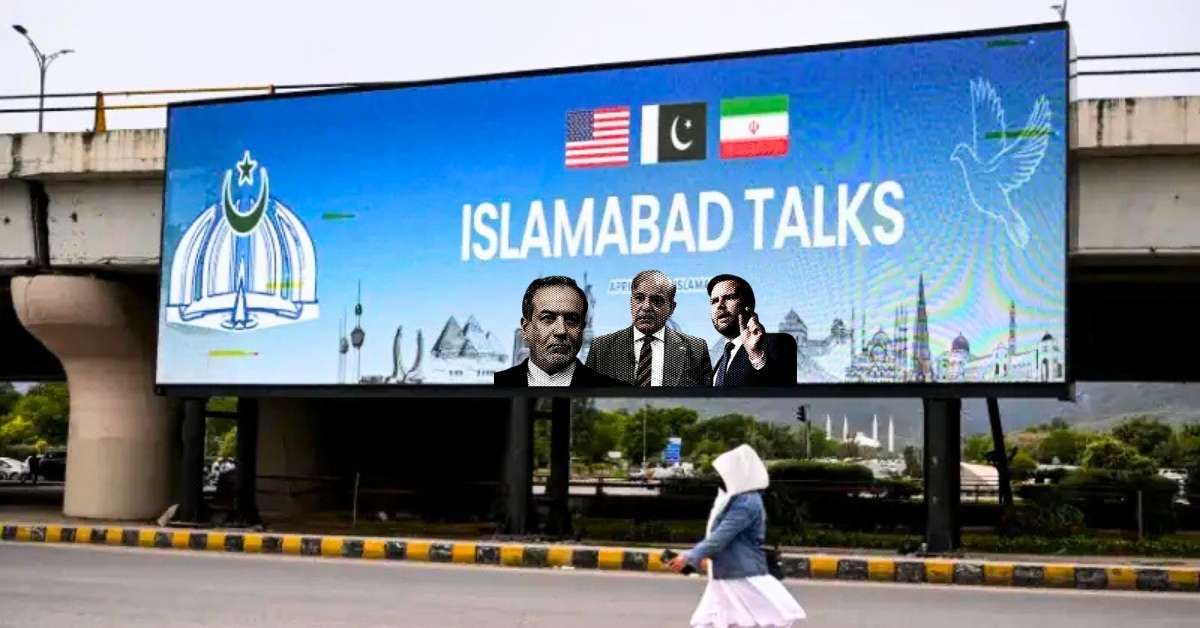
President Donald Trump has sent mixed signals. While he confirmed that US negotiators would attend talks in Islamabad, he also told media outlets that renewing the ceasefire was “highly unlikely.” Vice President JD Vance was expected to lead the American delegation, but as of April 20, there is no confirmation he has departed.
The Strait of Hormuz remains the central flashpoint. This narrow waterway carries about one-fifth of the world’s oil supply. Iran had briefly signaled it would reopen the strait as part of the ceasefire understanding, but later reversed course, citing the ongoing US blockade. Iranian gunboats have reportedly fired warning shots at commercial tankers, further disrupting global shipping.
Analysts warn that any Iranian retaliation could quickly reignite full-scale conflict. Oil prices have already shown volatility, and further disruption could lead to higher energy costs worldwide.
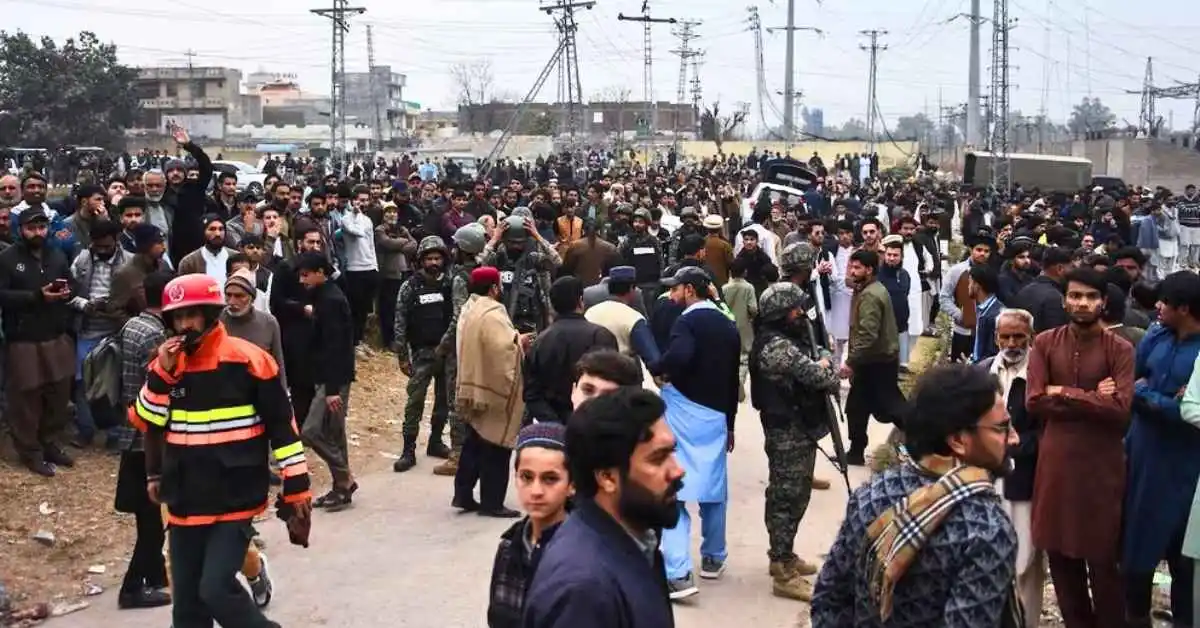
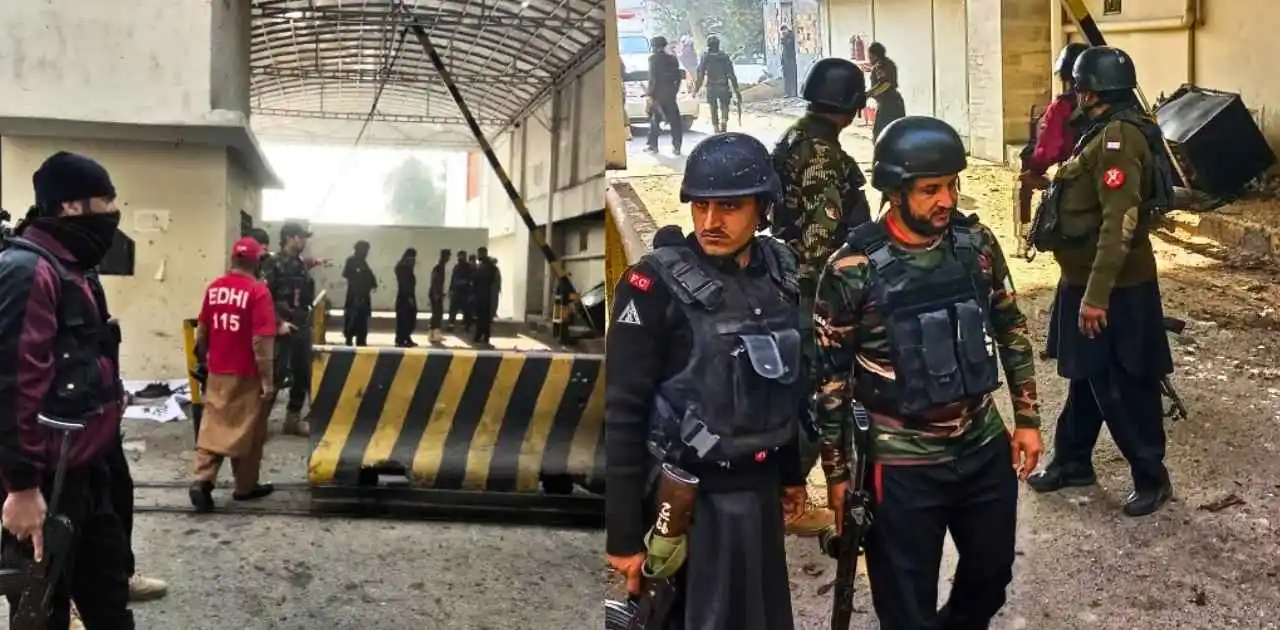
Pakistan, which played a key mediating role in securing the initial ceasefire, has tightened security in Islamabad ahead of possible talks. Pakistani officials continue to urge all parties to return to diplomacy.
Meanwhile, the broader regional picture remains unstable. In southern Lebanon, a separate ceasefire between Israel and Hezbollah is holding but remains fragile, with occasional incidents reported. In Gaza, low-level violence and humanitarian challenges continue despite an earlier ceasefire agreement.
The human cost of the Iran-related conflict has been heavy. Iranian authorities recently updated the death toll to at least 3,375. Thousands more have been displaced across the region, and civilian infrastructure has suffered extensive damage.
As the ceasefire deadline approaches, diplomats and observers are watching closely to see whether the Islamabad talks can produce a breakthrough or if the region will slide back into open warfare. For now, the seizure of the Iranian ship has significantly raised the stakes.