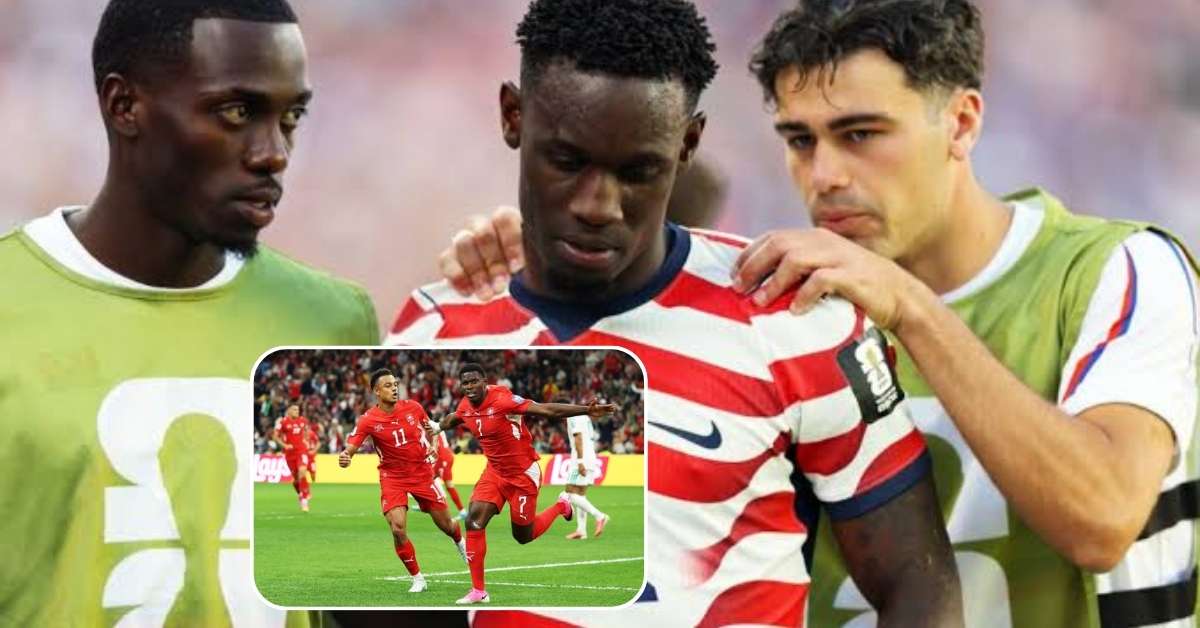
In the sweltering heat of a North American summer, the United States Men’s National Team etched another chapter in its evolving World Cup story. On a night filled with high stakes and raw emotion, the Stars and Stripes dismantled Bosnia & Herzegovina 2-0 in the Round of 32, booking their place in the last 16 for the first time since 2014. Goals from Folarin Balogun and Malik Tillman lit up the scoreboard, but the post-match narrative quickly shifted from triumph to turmoil following Balogun’s sending off.
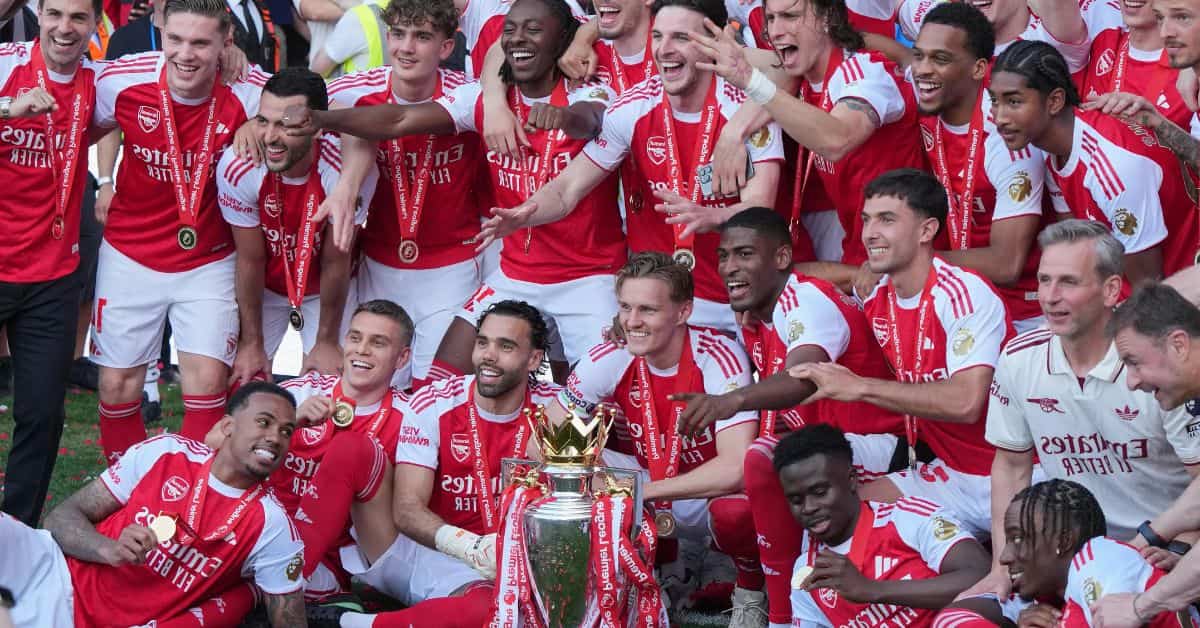
The match itself was a masterclass in tactical discipline. Coach Gregg Berhalter, or whoever is at the helm in this cycle, set up a compact, counter-attacking system that frustrated the Bosnians from the outset. Balogun, the Arsenal forward whose dual heritage has made him a lightning rod for American soccer discourse, opened the scoring with a clinical finish that showcased his Premier League pedigree.
His movement off the ball and ability to stretch defenses have been pivotal throughout the group stage. Tillman, another dual-national talent, added a second with a composed strike, sending the home crowd into delirium.
Yet, in the dying minutes, a challenge that many viewed as borderline resulted in a straight red for Balogun. VAR reviews have come under intense scrutiny this tournament, and this incident was no exception. Replays suggested minimal contact, yet the referee’s decision stood, leaving fans and pundits fuming. Social media platforms exploded with accusations of bias, with some users pointing to the high stakes of a host nation progressing deep into the competition. Reports of shocking online abuse directed at officials and players have prompted FIFA to address the rising tide of toxicity.
This victory, while marred, underscores the remarkable growth of soccer in the United States. Stadiums have been packed with record crowds, and television audiences are shattering previous benchmarks. The 2026 tournament, co-hosted by the USA, Canada, and Mexico, has ignited a genuine soccer boom across the country.
Kids in suburban backyards are mimicking Balogun’s runs, while casual fans who once dismissed the sport as “foreign” are now glued to their screens. The USMNT’s run isn’t just about results; it’s about cultural momentum. From sold-out friendlies to grassroots academies overflowing with talent, the beautiful game is finally embedding itself in the American sports fabric.
Looking ahead, the Round of 16 clash against Belgium presents a formidable challenge. Without Balogun, who has been the team’s leading scorer, questions loom over attacking options. Christian Pulisic remains the talisman, capable of moments of magic, but depth will be tested. Belgium, with its blend of experienced campaigners and emerging stars, will pose threats in transition and set pieces. Analysts predict a tight affair, potentially decided by individual brilliance or defensive lapses under pressure.
The broader context of this World Cup adds layers of intrigue. Political undercurrents, from travel restrictions to debates over hosting logistics, have intersected with the sporting drama. Yet on the pitch, the focus remains on athletic excellence.
Switzerland’s impressive knockout win over Algeria, Portugal’s dramatic progression featuring Cristiano Ronaldo, and Argentina’s continued march with Lionel Messi remind us of football’s global tapestry.
For the USMNT, this is uncharted territory. Advancing without their star forward tests squad resilience and tactical adaptability. Berhalter’s men have shown character throughout qualifying and the group stages, overcoming early setbacks. Fans are optimistic yet realistic. Quarterfinals would be a dream, but building for 2030 and beyond is the long-term prize.
As the tournament intensifies, one thing is clear: American soccer has arrived. Whether the USMNT can sustain its run amid adversity will captivate a nation increasingly invested in the world’s game. The red card controversy may linger, but the progress on and off the field signals a brighter future for football stateside.