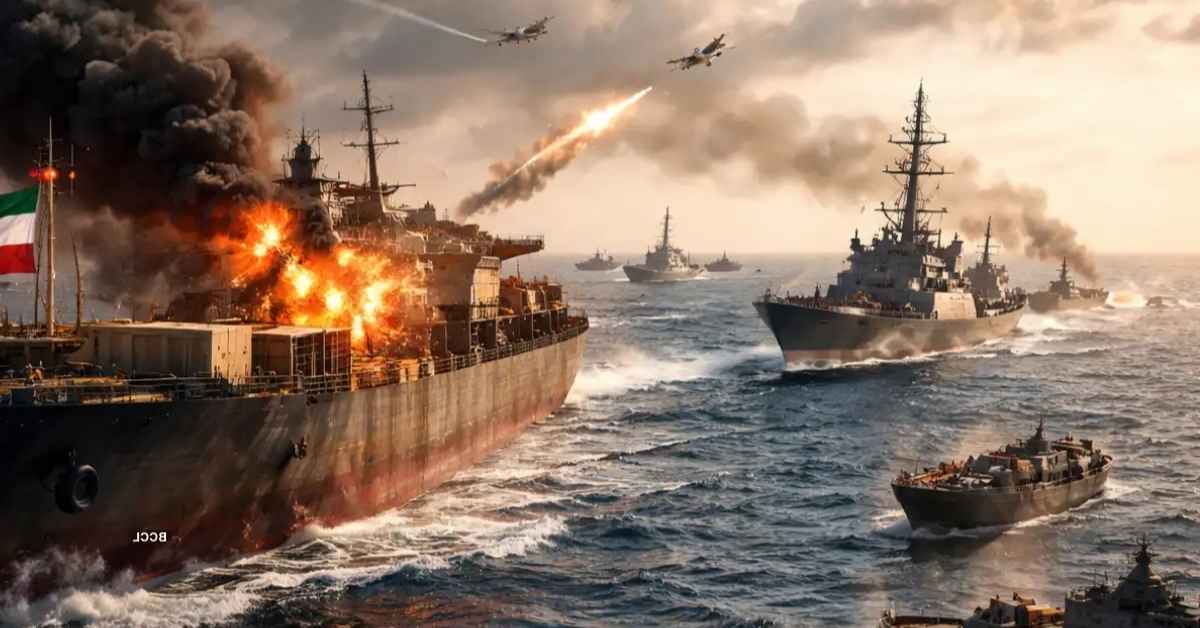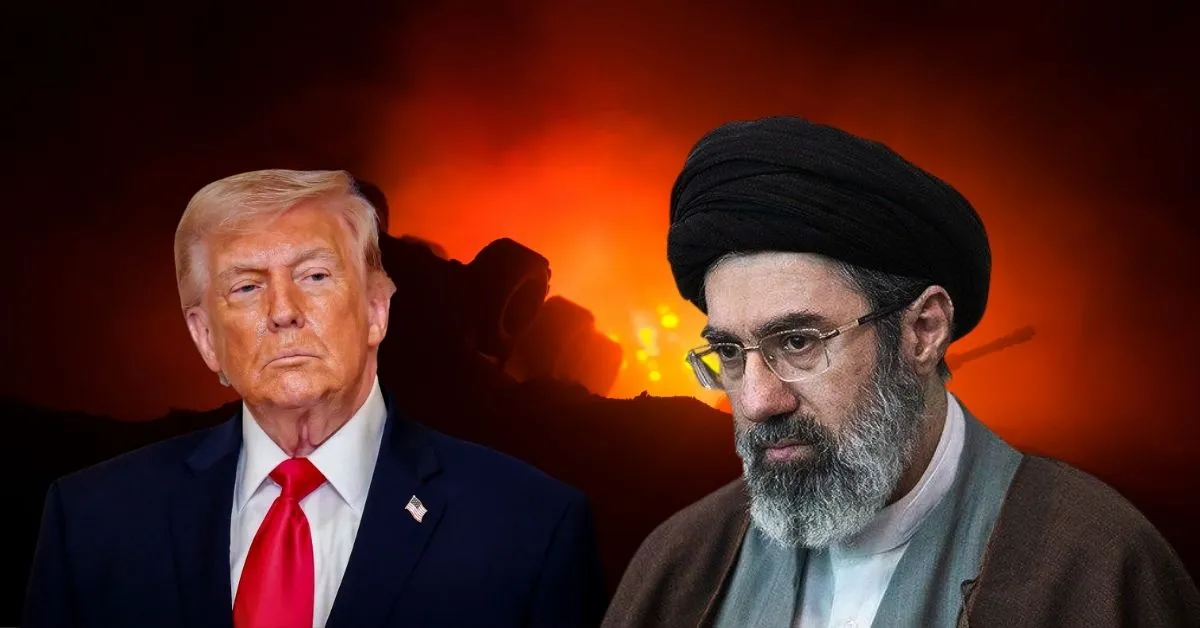
Tensions in the Middle East escalated further as Iran threatened to kill Israeli Prime Minister Benjamin Netanyahu. At the same time, the ongoing conflict between Israel, Iran, and the United States continues to disrupt regional stability and global energy markets. The war has now entered a more dangerous phase, with missile strikes, military operations, and economic consequences spreading across the Gulf region.
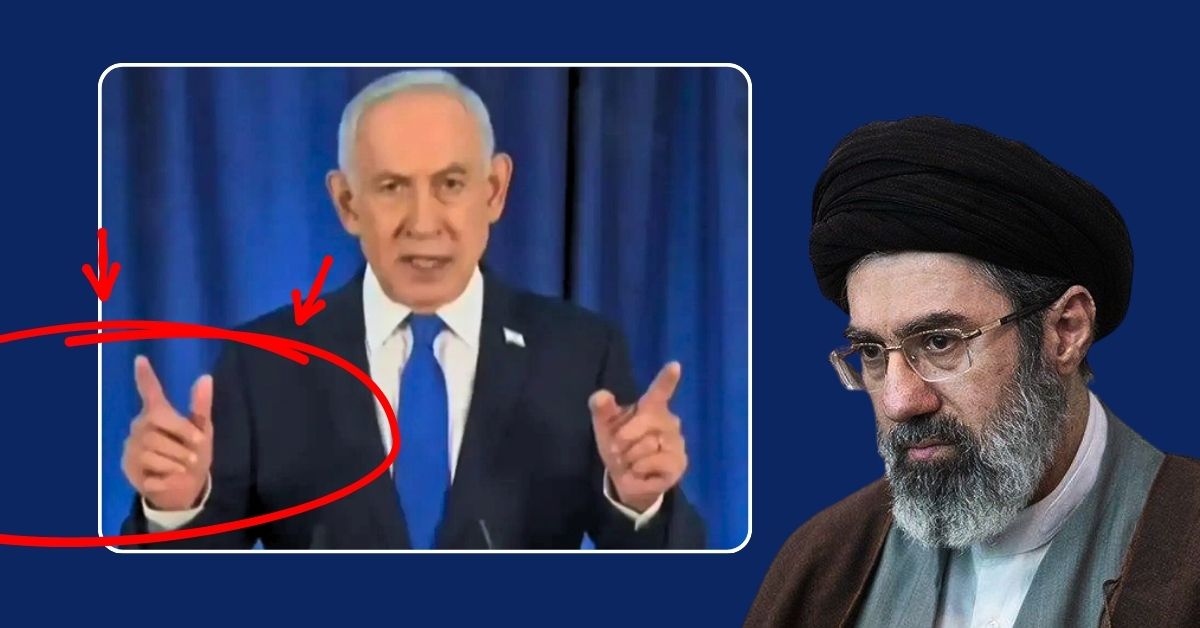
Iran’s Islamic Revolutionary Guard Corps (IRGC) issued a strong warning on Sunday, declaring that it would pursue and kill Netanyahu if he were still alive. The statement was reported by the Iranian state news agency, the Islamic Republic News Agency (IRNA), in a post on the social media platform X.
The threat comes amid growing speculation and rumors after Netanyahu reportedly missed a high-level security meeting during recent Iranian missile attacks on Israel. Although Israeli authorities have not confirmed any injury or death, the rumors quickly spread across regional media and social networks, adding to the already tense atmosphere.
Israel Targets Iranian Leadership
At the same time, Israel continued its military operations against Iranian targets. The Israel Defense Forces (IDF) announced that it had eliminated two senior Iranian intelligence officials connected to the Khatam al-Anbiya Emergency Command, one of Iran’s key military coordination units.
Israeli officials also said that their forces struck several strategic sites in Iran over the weekend. Among the targets were the main research center of the Iranian Space Agency and a facility involved in the production of aerial defense systems.
These strikes are part of a broader campaign by Israel to weaken Iran’s military and intelligence infrastructure following earlier attacks carried out jointly with the United States.
Iran Responds With Missile Barrage
Iran responded by launching additional missile attacks toward Israeli territory. Israeli emergency services reported a missile barrage aimed at central Israel, although no injuries were reported in the latest attack.
Iranian officials have repeatedly stated that their military actions are directed primarily at U.S. military bases and strategic interests in the region rather than civilian areas.
Iran’s Foreign Minister Abbas Araghchi said Tehran remains willing to cooperate with neighboring countries despite the ongoing conflict.
In a message posted on Telegram, Araghchi said Iran is ready to form a regional committee to investigate recent attacks and clarify which targets were struck during the conflict. He also emphasized that Iran has not targeted civilian areas in neighboring countries so far.
Kharg Island Strike Raises Energy Concerns
A major development in the conflict occurred when U.S. forces struck Kharg Island, one of Iran’s most critical oil export facilities.
According to Donald Trump, the United States ordered the attack through its Central Command. The strike targeted military installations on the island, which is responsible for approximately 90 percent of Iran’s crude oil exports.
Kharg Island has a loading capacity of about seven million barrels of oil per day, making it one of the most strategically important energy locations in the region.
The attack has raised fears of a wider energy crisis, especially as shipping activity through the Strait of Hormuz faces growing disruption.
Oil Prices Surge Amid Supply Fears
The conflict is already affecting global energy markets. Brent crude oil prices have surged dramatically, closing above $100 per barrel for the second consecutive day. Since the war began, the benchmark price has increased by more than 40 percent.
The Strait of Hormuz, which separates Iran and the United Arab Emirates, is one of the most important oil transit routes in the world. Any disruption to shipping in this narrow waterway can significantly impact global oil supplies.
Oil-loading operations in the UAE’s Port of Fujairah briefly halted after debris from an intercepted drone caused a fire near the facility. Operations later resumed, according to regional media reports.
The growing instability has also begun affecting international events scheduled in the region. Motorsport organizer Formula One Group announced that the upcoming Grand Prix races in Bahrain and Saudi Arabia, scheduled for April, have been canceled due to security concerns.
Officials said alternative plans were considered, but ultimately, no replacement races will take place during that period.
As the conflict continues, analysts warn that the situation could escalate further if additional countries become involved. Military strikes, threats against political leaders, and disruptions to oil supplies have created a highly volatile environment across the Middle East.
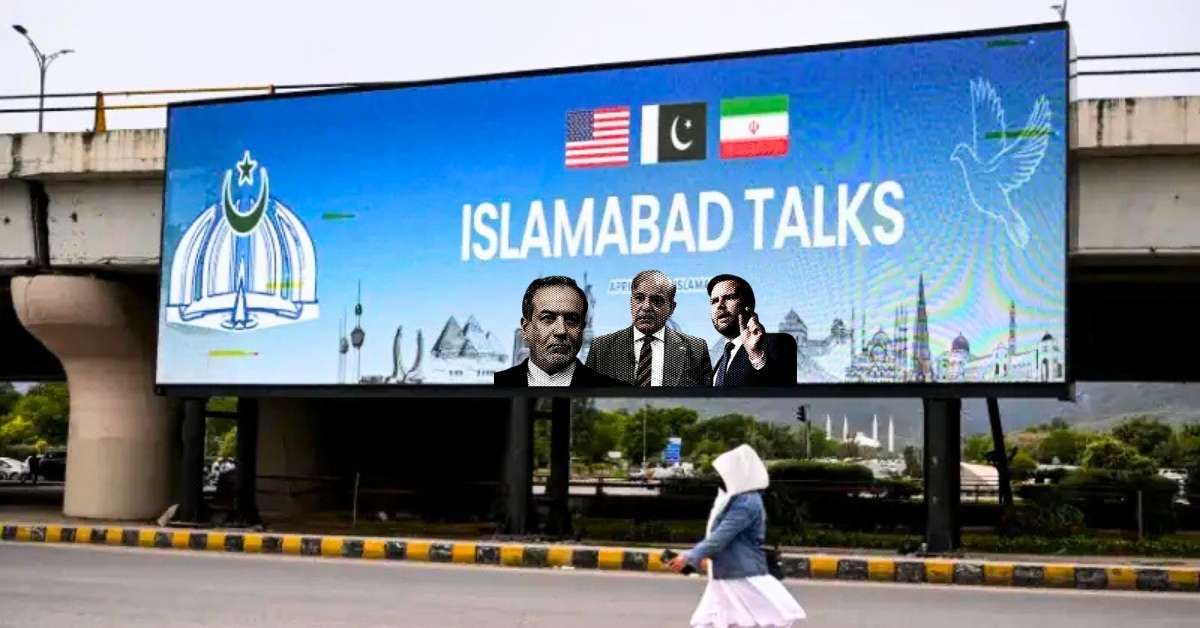
With both sides continuing their military operations and diplomatic tensions rising, the coming weeks will be crucial in determining whether the conflict expands further or moves toward negotiations.