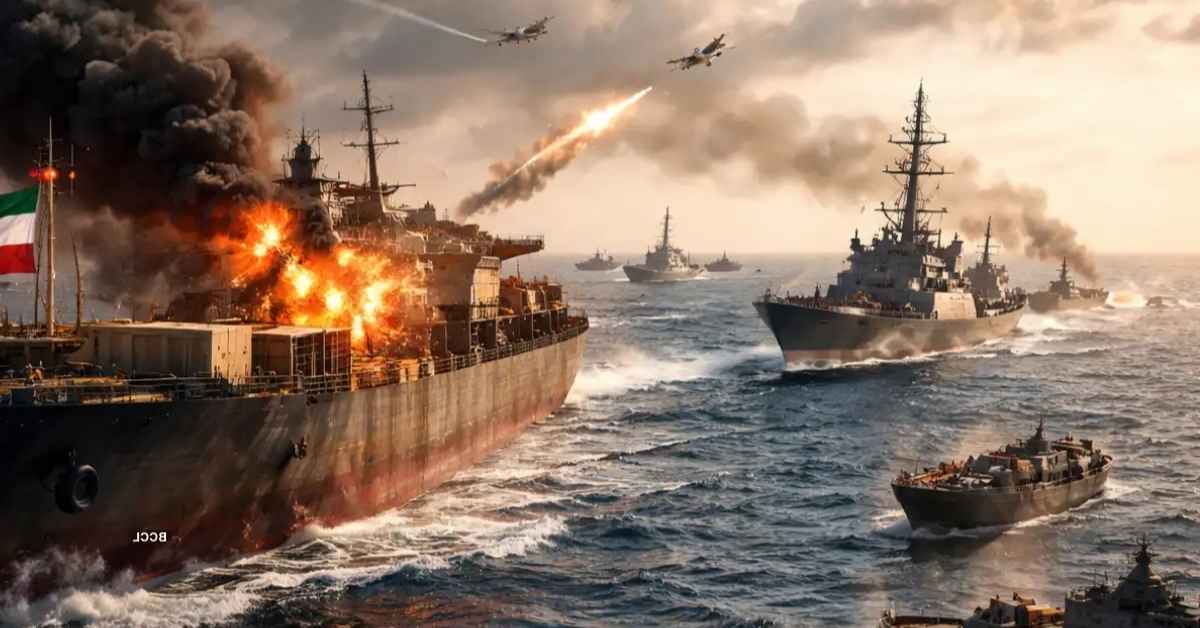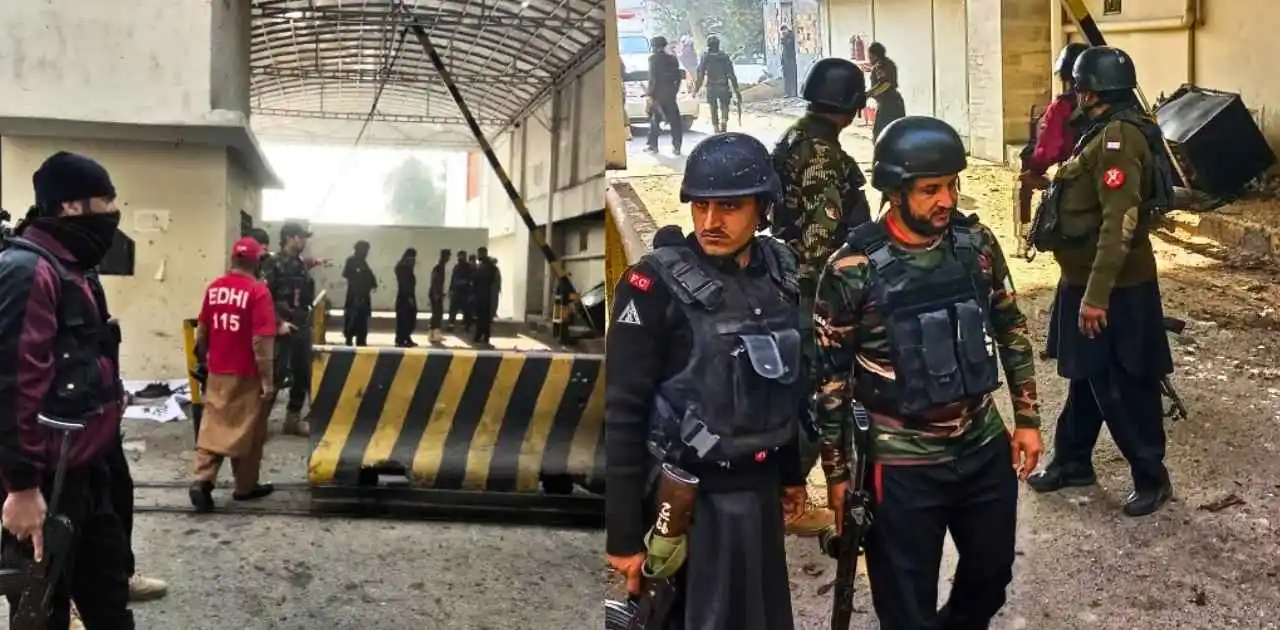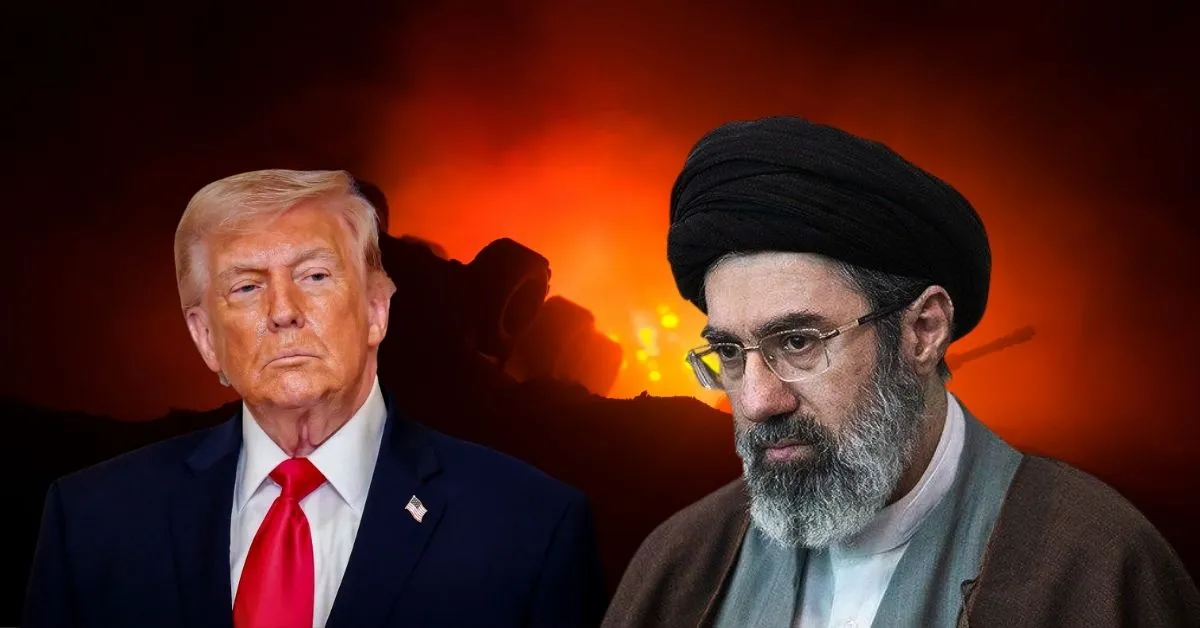
Tensions across the Middle East continue to escalate as the conflict between the United States, Israel, and Iran enters its third week. Fresh military strikes, rising geopolitical uncertainty, and a deadly aircraft crash involving U.S. service members have intensified the situation, while the U.S.
President Donald Trump has signaled that Washington is not yet prepared to negotiate a deal with Iran despite reports that Tehran may be willing to engage in talks.
The latest developments come as military exchanges continue across the region, with new strikes reported in Israel, Lebanon, and other parts of the Middle East. At the same time, the Pentagon has confirmed the identities of six U.S. Air Force crew members who were killed in a plane crash in Iraq last week.
Military activity has intensified in several areas as both sides continue to trade attacks. Israeli and Iranian forces reportedly exchanged new strikes, adding to the ongoing conflict that began earlier this month following joint U.S.-Israeli operations against Iranian military facilities.
In Lebanon, at least one person was reported killed after an Israeli strike hit a building. Meanwhile, in central Israel, two people required medical treatment after falling munitions caused damage in several locations. Security officials also reported drone interceptions in Gulf countries, highlighting how the conflict has begun to affect a wider region.
The continued strikes have raised concerns that the conflict could escalate further and draw more countries into the crisis. Governments across the Middle East are closely monitoring developments as fears grow over a potential expansion of the war.
Trump: “Not Ready to Make a Deal”
Despite growing international calls for de-escalation, President Donald Trump said the United States is not prepared to reach a deal with Iran at this stage.
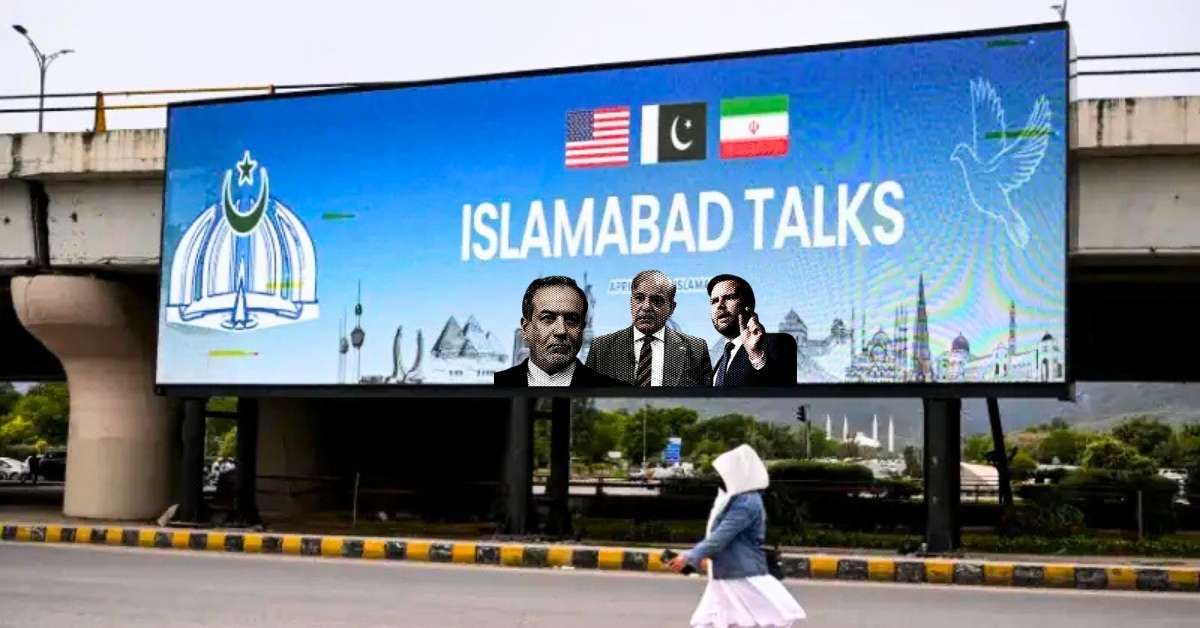
In an interview with NBC News, Trump stated that Iran had shown interest in negotiating an agreement to end the conflict, but the United States believes the proposed terms are not sufficient.
“Iran wants to make a deal, and I don’t want to make it because the terms aren’t good enough yet,” Trump said during the nearly 30-minute phone interview.
The president declined to reveal what conditions Washington expects from Tehran, but he indicated that any agreement would likely require Iran to abandon its nuclear ambitions completely.
Trump’s remarks reflect a hardline approach by the U.S. administration as the military campaign against Iranian targets continues. The conflict began after joint operations by U.S. and Israeli forces targeted several Iranian military facilities last month.
One of the most significant developments in the conflict was a strike on Kharg Island, a strategic location that handles the majority of Iran’s oil exports.
Trump claimed that U.S. strikes had “demolished” much of the island, although he added that the United States intentionally avoided destroying major energy infrastructure.
Also Read: Canada’s Global Strategy and Self-Defense
“We’ve totally decimated it,” Trump said, adding that the U.S. military avoided targeting key energy lines because rebuilding them would take years.
The island plays a crucial role in Iran’s oil export system, making it a strategically important target. However, analysts warn that continued attacks on energy facilities could trigger further disruptions in global oil markets.
Strait of Hormuz Security Concerns
Another major concern is the security of the Strait of Hormuz, one of the world’s most important maritime passages for oil transportation.
The narrow waterway carries a large portion of global oil shipments each day. Iranian leaders have previously threatened to close the Strait of Hormuz in response to military pressure from the United States and its allies.
Trump said the United States is working with several countries to ensure that the Strait remains open.
“Many countries that are affected by Iran’s actions will be sending warships along with the United States to keep the Strait open and safe,” Trump wrote on his social media platform.
He also suggested that nations such as China, Japan, France, South Korea, and the United Kingdom could join the effort, although no official confirmation has been announced.
Global oil prices have already begun to rise due to uncertainty surrounding the conflict and fears of possible supply disruptions.
Questions Over Iran’s Leadership
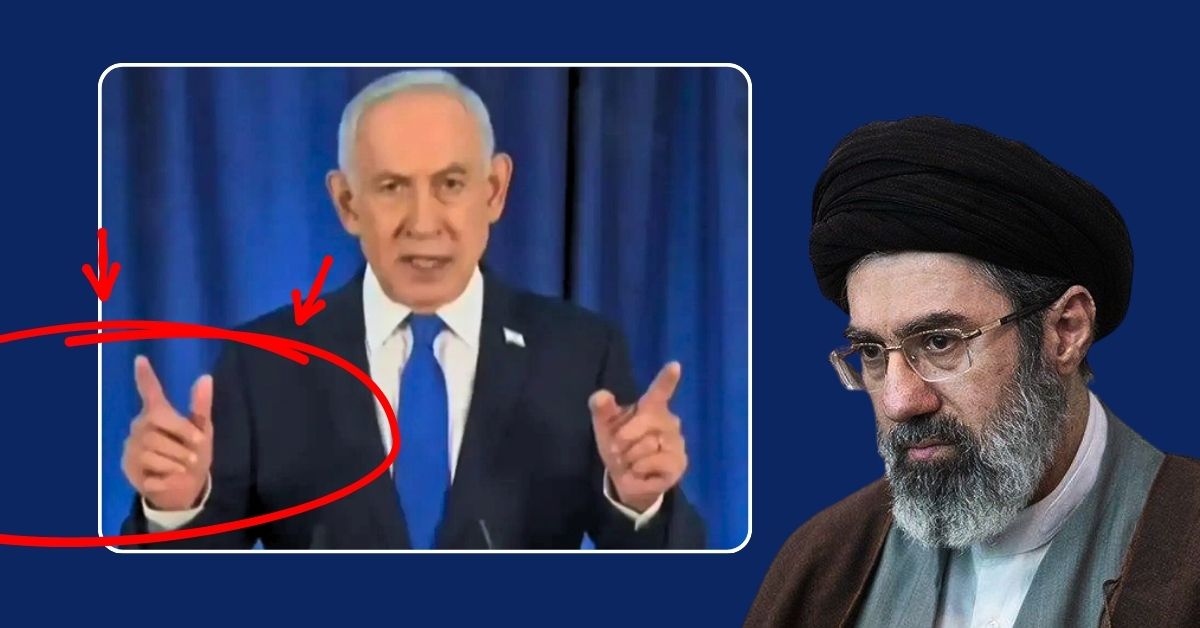
Trump also raised questions about the status of Iran’s newly appointed supreme leader, Mojtaba Khamenei, who succeeded his father, Ali Khamenei.
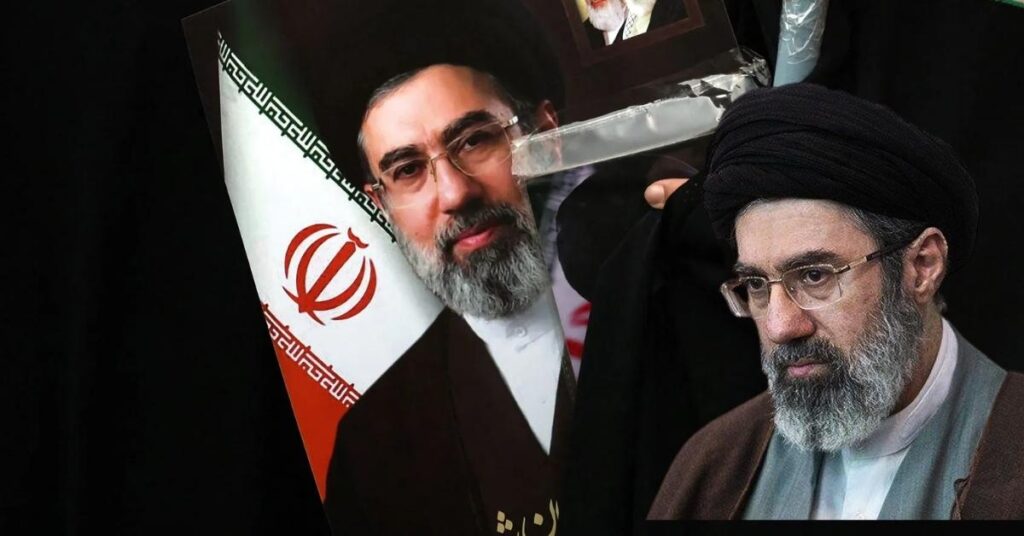
The younger Khamenei has not appeared publicly since assuming leadership, fueling speculation about his condition following earlier attacks.
“I don’t know if he’s even alive,” Trump said during the interview. “So far, nobody’s been able to show him.”
However, the president acknowledged that reports about his death remain unconfirmed rumors.
Earlier, U.S. Defense Secretary Pete Hegseth suggested that Mojtaba Khamenei may have been wounded during the initial attacks and could have suffered serious injuries.
U.S. Airmen Killed in Iraq Crash
Amid the ongoing conflict, the Pentagon also confirmed the deaths of six U.S. Air Force crew members following a tragic aircraft accident in Iraq.
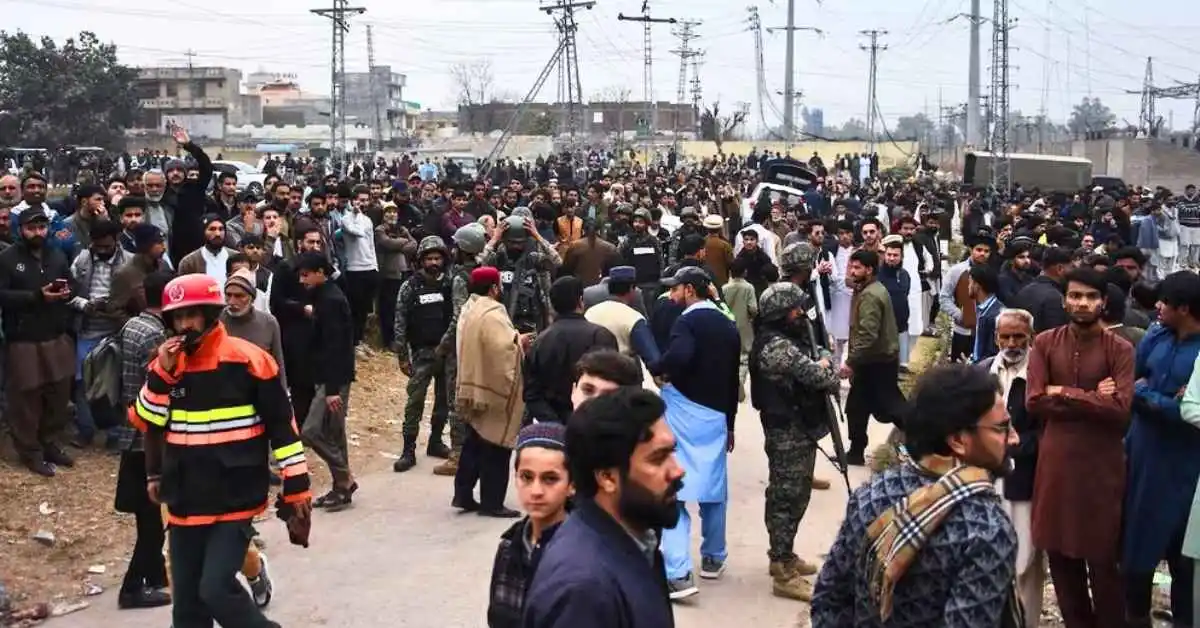
The crew members were aboard a Boeing KC‑135 Stratotanker when it crashed in western Iraq on March 12.
According to the United States Central Command, the aircraft was involved in a mid-air collision before crashing. Military officials stated that the incident was not caused by hostile fire.
The deaths of the airmen bring the number of U.S. service members killed since the conflict began to thirteen.
As tensions rise, the U.S. government has warned American citizens to leave Iraq. Non-essential government employees stationed in Oman have also been instructed to depart the country.
Officials say the precautionary measures are intended to reduce the risk to civilians as the security situation in the region remains volatile.
With ongoing strikes, rising oil prices, and growing concerns about regional stability, the conflict shows no immediate signs of ending.
While Iran appears open to negotiations, Trump’s comments suggest that Washington is not yet willing to pursue a ceasefire without stronger concessions from Tehran.
As military operations continue and diplomatic tensions rise, the coming weeks could prove critical in determining whether the conflict escalates further or moves toward negotiations.
For now, the Middle East remains on edge as global leaders watch closely for the next developments in an increasingly dangerous confrontation.