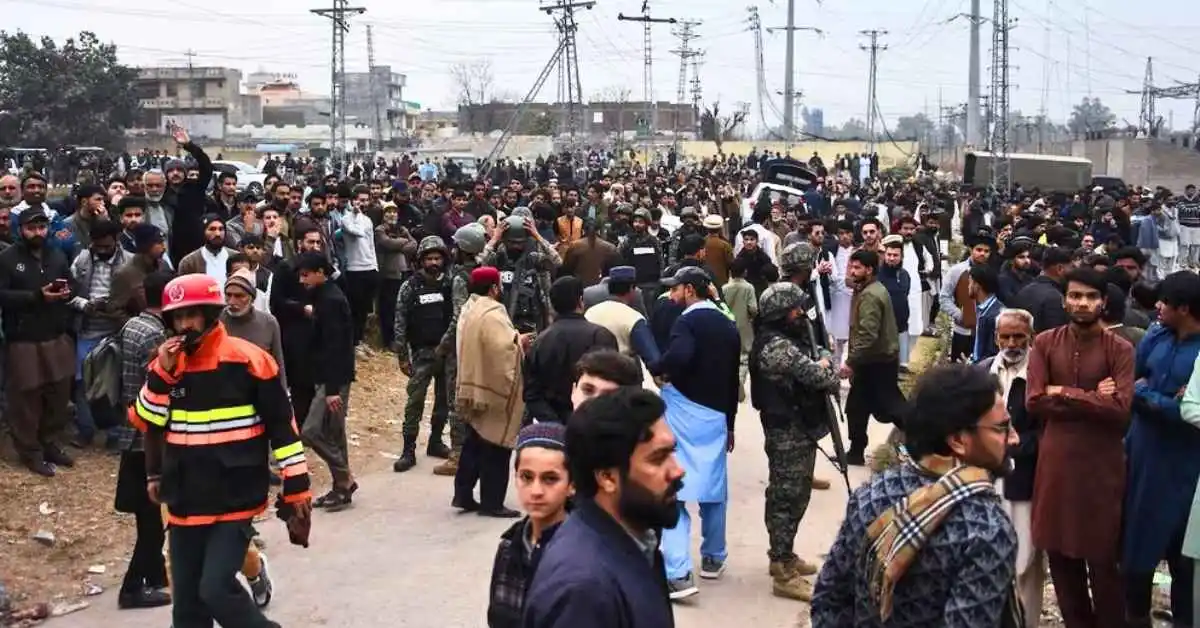
If you woke up in Mir Ali on the morning of June 28, 2025, you might have first heard a sound that no one forgets: the thunder of an explosion that tore through Khaddi Market. Within seconds, the town that had just begun to stir found itself engulfed in dust, screams, and chaos. It was one of the deadliest attacks North Waziristan has seen this year, a suicide bombing that killed 14 soldiers and left at least 26 others wounded.
For the people of Mir Ali, such mornings are bitter reminders of a past that refuses to fade. The blast was powerful enough to shatter windows, collapse nearby roofs, and wound women and children in the homes surrounding the site. The scent of gunpowder mixed with the cries for help as neighbors rushed to pull survivors from beneath the debris. “I heard a loud explosion early in the morning,” said Hakim Dawar, a resident of Khaddi. “The house next to ours was damaged, and women and children were crying out for help. They were rushed to the hospital.”
Officials from Miran Shah confirmed that the attack was carried out by a suicide bomber who drove a cow cart packed with explosives directly into a military vehicle. The crude yet devastating tactic showed the continuing ingenuity and brutality of the militants who still haunt North Waziristan’s rugged landscape. The Hafiz Gul Bahadur Group (TTG), a faction of the Pakistani Taliban, quickly claimed responsibility, signaling that despite years of operations and promises of peace, the region remains far from stable.
Echoes of a Conflict That Never Ended
North Waziristan, once at the center of Pakistan’s fight against militancy, has long been a land of paradox, breathtaking in beauty, but burdened by conflict. From Mir Ali to Miranshah, the roads that wind through the valleys carry the weight of decades of military convoys, drone strikes, and displacement. For the residents, peace has always been fragile, a season that never lasts long enough.
The attack in Khaddi Market wasn’t just another headline; it was part of a recurring nightmare. In towns like Mir Ali, each explosion reopens old wounds, the memories of operations Zarb-e-Azb and Rah-e-Nijat, the mass migrations, and the promises of development that never quite arrived. Locals have often said that while the militants come and go, the fear remains.
In the aftermath of the June 28 blast, the area was sealed off by the army. Security forces combed through the market, searching for evidence, while ambulances raced to nearby hospitals. Among the injured were children as young as seven. Doctors worked late into the night, treating burns, fractures, and shrapnel wounds. “We have seen this too many times,” said a nurse at the Miranshah Civil Hospital. “Every time we think the violence is over, it comes back stronger.”
The Man Behind the Militia: Hafiz Gul Bahadur
To understand Mir Ali’s tragedy, one must understand the man behind the group that claimed the attack, Hafiz Gul Bahadur. He hails from the Uthmanzai Wazir tribe of North Waziristan and first rose to prominence in the early 2000s, when Pakistan’s tribal belt became a focal point of the global “War on Terror.”
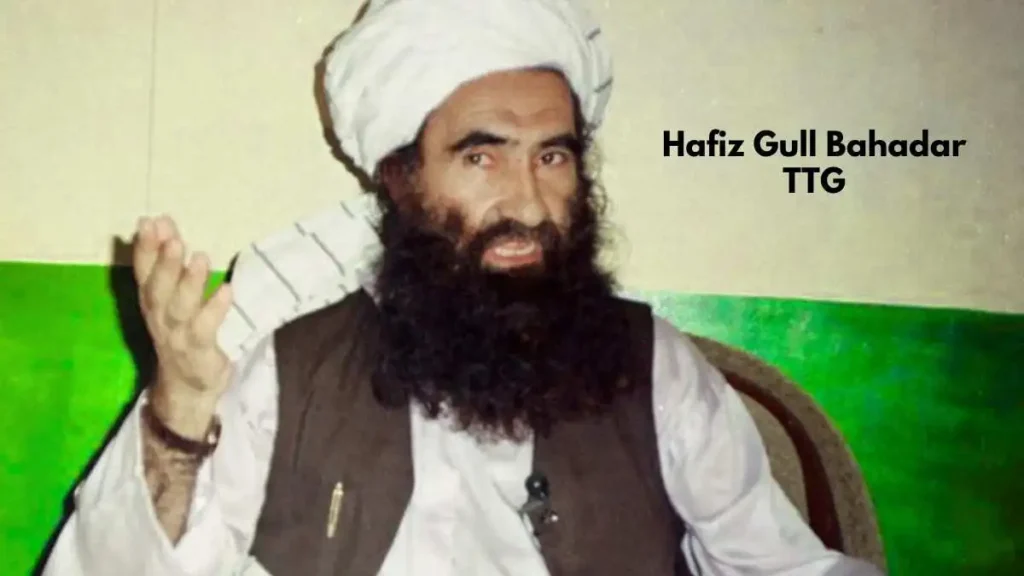
Unlike other Taliban commanders who operated under strict ideological banners, Bahadur’s faction was pragmatic. It focused primarily on North Waziristan, maintaining local control rather than pursuing nationwide influence. For years, he was known as the “shadow ruler” of Mir Ali and Miranshah, a man who could decide, with a word, whether an area would be at peace or under siege.
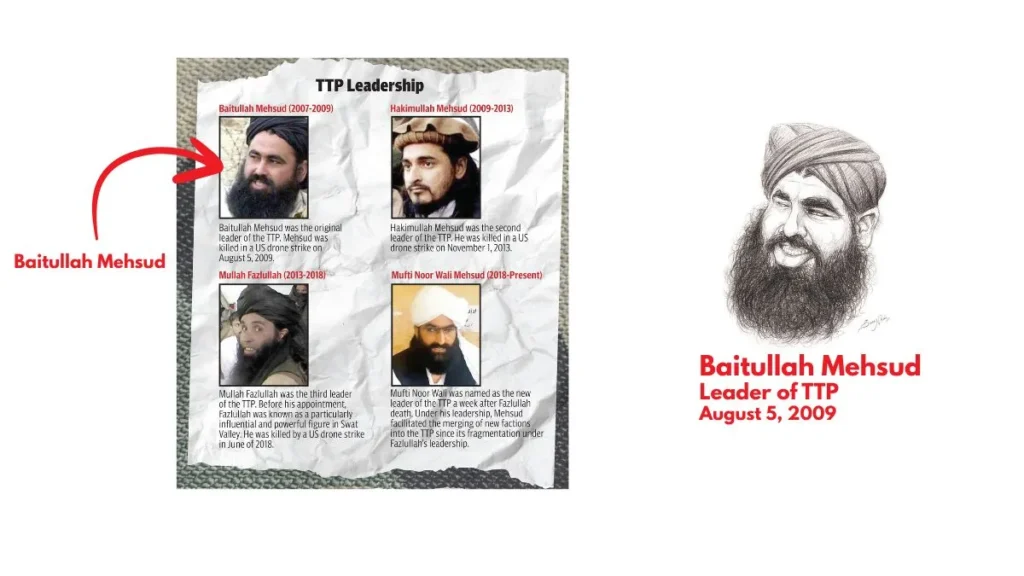
In 2008, Bahadur briefly joined the newly formed Tehrik-i-Taliban Pakistan (TTP) under the leadership of Baitullah Mehsud. For a time, the alliance appeared strong, a coalition of militant factions united against the state. But soon, deep divisions emerged. Bahadur disagreed with Mehsud’s strategy of attacking Pakistani civilians and state targets indiscriminately. While Bahadur claimed to oppose such tactics, his own group continued to target military convoys and installations. The contradiction reflected the blurred morality that defines much of Waziristan’s militant landscape.
Eventually, Bahadur broke away from the TTP and formed his own network, known as the Hafiz Gul Bahadur Group (TTG). His men continued to operate in Mir Ali, Miranshah, and Datta Khel, often engaging security forces while maintaining temporary truces when it suited them. Despite numerous military operations, Bahadur himself has remained elusive, reportedly moving between border villages and mountain hideouts.
A Region Trapped Between Fear and Fatigue
For the ordinary people of North Waziristan, life has become a cycle of brief calm followed by sudden violence. Every explosion reminds them that their region, despite official claims of normalcy, still bleeds. After years of military operations, the government has promised peace and development, but progress has been slow. Schools, markets, and hospitals remain underfunded. And while roads have been rebuilt, trust has not.
Residents of Mir Ali often complain about heavy checkpoints, limited freedom of movement, and a lack of job opportunities. “We want peace, not checkpoints,” said a shopkeeper whose business was destroyed in the attack. “We want to rebuild, not bury our people again.”
Despite repeated assurances, militant activity persists. Intelligence reports suggest that groups like TTG maintain networks across the tribal belt, often merging with or splintering from larger outfits such as the TTP. Drone strikes, though less frequent, have not entirely disappeared, and rumors of new alliances between militants on both sides of the border keep tension alive.
Promises, Protests, and the Pursuit of Peace
In the days following the Mir Ali attack, government officials vowed to intensify operations against militant hideouts. The Inter-Services Public Relations (ISPR) called the attack “an act of cowardice” and promised that “the blood of our soldiers will not go in vain.” Yet for locals, such promises have become familiar phrases spoken after every tragedy, then forgotten until the subsequent explosion.
Community elders in North Waziristan have called for dialogue and real investment in rebuilding social trust. Many argue that the solution lies not only in military strength but also in providing people with a reason to believe in peace education, healthcare, jobs, and justice. Protests have occasionally broken out in the region, demanding protection and accountability.
The people’s plea is simple: let peace be more than just a pause between wars.
A Morning That Changed Everything
As the smoke cleared from Khaddi Market, the sun rose over a wounded town. The army truck was reduced to twisted metal, the ground blackened by fire. Nearby homes stood roofless, their walls cracked. Mothers searched for their children amid rubble; soldiers lifted debris with their bare hands. By noon, the marketplace that once echoed with the sound of bargaining had turned into a graveyard of silence.
The Mir Ali attack will be remembered not only for its death toll but for what it revealed: that despite years of sacrifice, the people of North Waziristan remain trapped in the middle of a war that never truly ended. Hafiz Gul Bahadur may still be hiding in the shadows, but his actions continue to cast a long, dark one over the region.
In the end, Mir Ali’s tragedy is not just about one explosion. It is a story about the endurance of a land that refuses to give up, of a people who bury their dead yet still wake up the next day hoping for a peace that lasts longer than a morning.