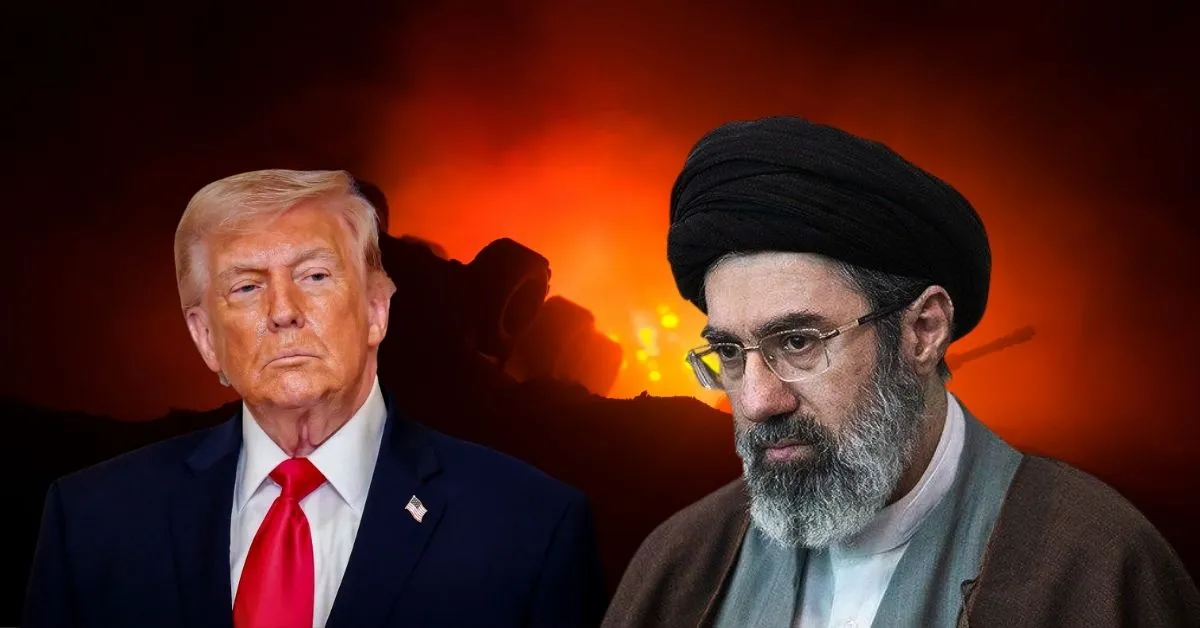
Media coverage of the ongoing conflict between the United States and Iran has sparked a new political dispute in Washington after Donald Trump criticized news outlets for reporting that Iranian missile strikes damaged U.S. refueling aircraft in Saudi Arabia.
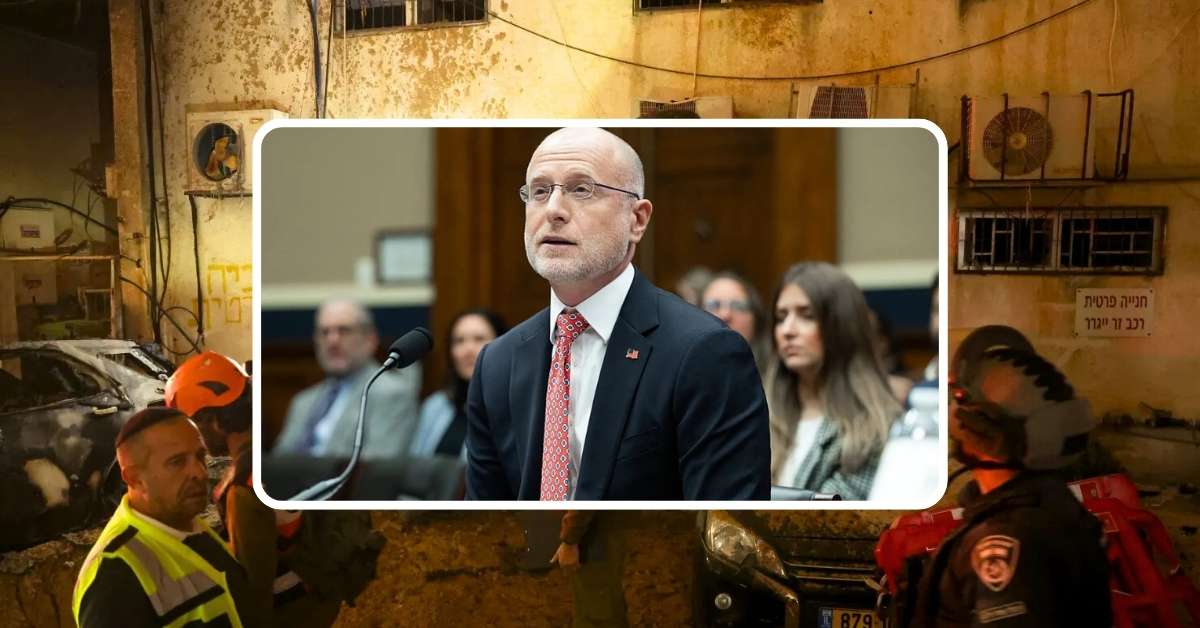
Shortly after Trump’s remarks, Brendan Carr, the head of the Federal Communications Commission (FCC), warned broadcasters that they could face consequences, including the possible loss of their licenses, if they publish what he described as misleading or false reports.
The controversy highlights growing tensions between government officials and major media organizations as the war with Iran continues to dominate global headlines.
Trump Disputes Reports of Damaged U.S. Tankers
The dispute began after The Wall Street Journal reported that five U.S. refueling tanker aircraft were struck during an Iranian missile attack on Prince Sultan Air Base.
The report suggested that the aircraft were hit during a strike targeting the Saudi air base, raising concerns about the vulnerability of U.S. military infrastructure in the region.
However, Trump strongly rejected those claims in a post on his social media platform Truth Social. The president described the reports as misleading and accused several major newspapers of spreading “fake news.”
According to Trump, four of the five U.S. Air Force refueling aircraft involved in the incident suffered little to no damage and have already returned to active service. He added that one aircraft sustained slightly more damage but would soon be operational again.
Trump also criticized other major publications, including The New York Times, accusing them of exaggerating the impact of the Iranian attack.
FCC Chair Warns Broadcasters Over Iran War Coverage
Following Trump’s statement, FCC Chairman Brendan Carr took to the social media platform X to criticize broadcasters who he said were spreading inaccurate information about the war.
Carr said media organizations that broadcast false reports or distort news could face regulatory consequences.
“Broadcasters that are running hoaxes and news distortions, also known as fake news, have a chance now to correct course before their license renewals come up,” Carr wrote.
He emphasized that television and radio broadcasters operate under federal licenses and are required to serve the public interest.
Carr argued that restoring trust in the media is critical, saying the news industry has increasingly lost credibility among the public.
The FCC is responsible for regulating broadcast television, radio stations, and other communications infrastructure in the United States.
While the agency rarely revokes licenses based on content disputes, Carr’s comments sparked debate about press freedom and government influence over news coverage.
The dispute over media coverage comes as the military conflict between the United States, Israel, and Iran continues to escalate across the Middle East.
The conflict began weeks ago after joint U.S.-Israeli military operations targeted Iranian facilities and strategic locations.
Since then, Iran has launched retaliatory missile strikes against U.S. and allied targets in the region, including bases in Saudi Arabia.
Trump has repeatedly stated that Iran is already weakened and seeking negotiations, although he says the United States is not ready to accept the terms proposed by Tehran.
“ Iran is totally defeated and wants a deal,” Trump said in a recent statement. “But it’s not a deal I would accept.”
The ongoing conflict has also raised fears about disruptions to global oil supplies, particularly in the Strait of Hormuz.
The narrow waterway is one of the world’s most important oil transit routes, connecting the Persian Gulf to international markets.
Trump has urged several allied countries to send naval forces to help secure the strait and protect energy shipments from potential Iranian attacks.
At the same time, U.S. forces recently carried out strikes on Kharg Island, Iran’s primary oil export hub.
Iranian officials warned that further attacks on their energy infrastructure could trigger retaliation against oil and gas facilities connected to the United States or its allies across the Middle East. Carr’s warning to broadcasters has quickly triggered debate among journalists and legal experts.
Critics argue that threatening broadcasters with license revocation could create pressure on media organizations and potentially undermine press freedom.
Supporters of the move, however, say the FCC has a responsibility to ensure that broadcasters provide accurate information to the public.
As the war with Iran continues and political tensions rise in Washington, disputes over how the conflict is reported are likely to intensify.
For now, the controversy reflects a broader struggle between government officials and the media over how major global events are covered and interpreted.