In South Asia, a new kind of political energy is emerging, not in parliament buildings or party headquarters, but on phone screens and social media feeds. The generation born at the turn of the century, often referred to as Gen Z, has grown up watching corruption, inflation, and power struggles, yet has also grown up with Wi-Fi.
They think, organize, and express anger in digital spaces where no political boundary feels permanent. Over the past few years, this young generation has managed to shake long-standing regimes in Bangladesh, Nepal, and Sri Lanka, often using memes, livestreams, and hashtags as their only weapons.
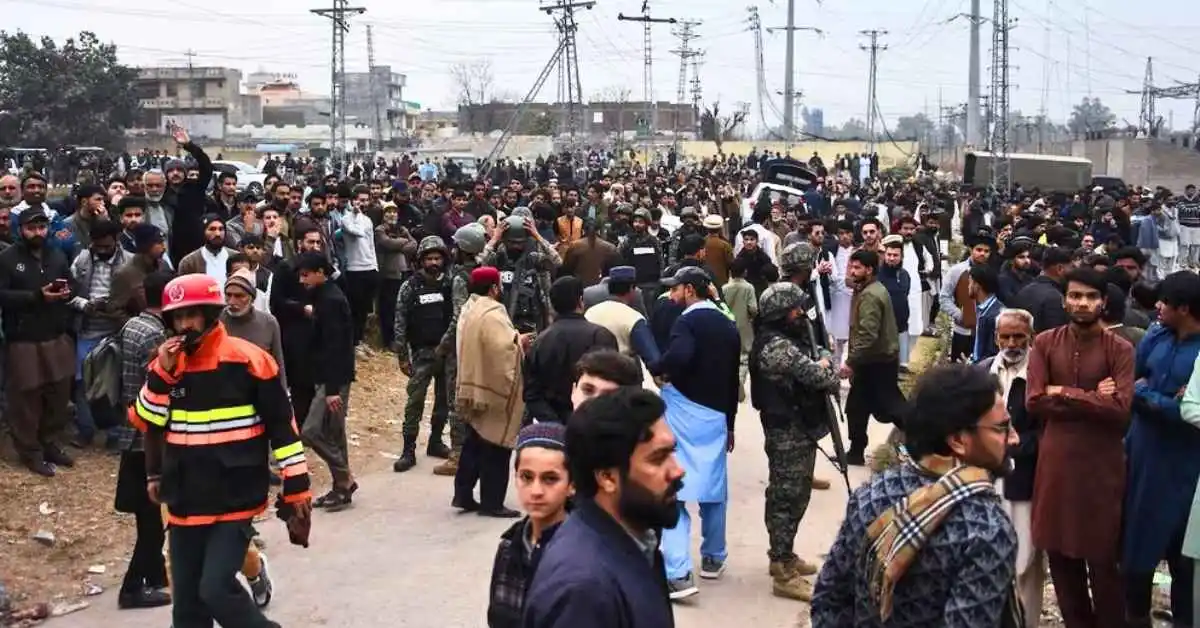
These movements are not identical, but they share a rhythm: frustration rises, a video goes viral, crowds gather, and within weeks the political landscape changes. Governments that looked unshakeable only months before are suddenly on the run. What makes these stories even more striking is that they were led not by traditional politicians but by ordinary young people, including university students, gig economy workers, and unemployed graduates, who used social media to share their version of the truth.
This wave of youth-driven activism has begun to echo beyond borders. Many in Pakistan are watching these changes closely, wondering whether their young, restless, politically aware, and deeply online population could follow a similar path.
Bangladesh: From Job Quotas to a National Awakening
In the summer of 2024, Bangladesh’s streets filled with a sound that no government could control: students chanting slogans for fairness and justice. What started as a protest against a job quota system that served a large share of government jobs for descendants of 1971 war veterans quickly transformed into a country-wide movement demanding an end to fifteen years of Sheikh Hasina’s rule.
At the heart of this uprising was Gen Z. They did not depend on the big television networks that had long avoided criticizing the government. Instead, they relied on Facebook and TikTok, where live videos and posts showed what was happening on the ground: the tear gas, the arrests, and the courage of those involved.
A student at Dhaka University began streaming clashes between police and protesters; within hours, the video was shared across thousands of accounts. Hashtags like #QuotaReformMovement turned into rallying points. As government censors tried to block content, young people used VPNs to keep information flowing. Even when the internet went down in parts of the capital, offline coordination among small groups of motorbike riders carrying printed updates kept the protests alive.
The power of these digital tools became clear when public opinion shifted almost overnight. Videos of police brutality reached millions, and the narrative once dominated by state television broke apart. For the first time, citizens saw a raw, unfiltered version of their country’s political crisis.
Within weeks, Hasina’s government began to crumble. By late July, she had resigned and fled the country. For the students who had started the campaign, it was an extraordinary moment. The same phones used for selfies and short videos had helped bring down a government that had seemed immovable.
However, victory came with lessons. The new interim government faced its own challenges, including the spread of fake news, online rumors, and attempts by rival groups to hijack the digital momentum. The protests had demonstrated the power of social media, but also its fragility when harnessed as a political battlefield.
Nepal: When Bans Sparked a Digital Rebellion
In early 2025, Nepal’s Prime Minister K. P. Sharma Oli announced the ban of more than two dozen social media platforms, including TikTok and Instagram, citing their failure to register under new regulations. What he did not expect was that this ban would unite a generation already angry over corruption, unemployment, and nepotism.
For young Nepalese, social media was not just entertainment; it was their public square. The sudden blackout felt like an attack on their voice. Within hours, students and young professionals found new ways to connect. Many turned to Discord, a chat app built initially for gamers, and created large servers where they planned protests, debated ideas, and even voted on interim leaders.
What happened next surprised everyone. These virtual spaces began to function like miniature parliaments. Over 130,000 users joined, voting in real time on political demands and leadership names. Screenshots of discussions were shared through encrypted channels. When rallies began in Kathmandu, protesters already had a clear sense of purpose and coordination that rivaled formal political parties.
As TikTok influencers posted old clips of corruption scandals, anger spread beyond students to taxi drivers, shop owners, and rural youth who had long felt ignored. Within forty-eight hours, the capital was filled with crowds demanding Oli’s resignation. Security forces responded harshly, but the online momentum was too fast to contain.
Oli eventually stepped down, marking one of the country’s quickest political collapses. Yet, like Bangladesh, the movement faced its own internal tensions. With no single leader or party guiding it, disagreements soon broke out over the next steps. Some protests turned violent, and government supporters accused online groups of causing chaos.
Still, the Nepal episode revealed something new about Gen Z’s activism. Even when the internet is restricted, they find digital backdoors. When one app is blocked, another becomes the hub. For this generation, connection is instinct, and control is only temporary.
Sri Lanka: From Crisis to Collective Action
Before Bangladesh and Nepal, it was Sri Lanka that first showed the world what a digitally driven uprising could look like. The year was 2022, and the island nation was in the midst of an economic collapse. Long queues for fuel, power cuts, and spiraling inflation had made daily life unbearable.
When the government’s mismanagement became impossible to ignore, people began sharing videos of their struggles online, empty petrol pumps, families cooking by candlelight, and children crying at hospitals. These clips went viral, turning private despair into public outrage.
Soon, youth groups started coordinating through Facebook and Twitter (now X). Hashtags like #GoHomeGota effectively captured the nation’s mood. Protesters used live streams to guide each other to safe zones and to show the world what was happening when TV cameras stayed away.
The movement gained momentum fast. Young volunteers organized food distribution, medics treated the injured, and musicians performed protest songs in the streets. It became known as Aragalaya, the “struggle.”
By July 2022, the impossible had happened: President Gotabaya Rajapaksa fled the country. For many Sri Lankans, especially the young, it felt like a turning point, a reminder that even in a small country with limited resources, people could challenge power through collective will and digital coordination.
Yet the months that followed exposed the limits of such movements. The new leadership struggled to address deeper structural problems, and many of the same elites remained in power. The online energy that had fueled the uprising gradually waned as economic hardships persisted.
Still, the Aragalaya protests changed how Sri Lankans saw themselves. They realized that protest could be peaceful, creative, and organized without violence. It also became clear that digital media was no longer just a space for entertainment; it had become the new arena for political change.
Shared Threads Across Borders
Examining Bangladesh, Nepal, and Sri Lanka reveals several patterns. In each case, young people began with frustration over a specific issue, such as a quota, a ban, or a crisis, and then used social media to transform that anger into mass action.
These were not traditional revolutions, marked by manifestos or party flags. They were fast, emotional, and unpredictable. However, they were also deeply democratic in their own way. Anyone could join, comment, or organize. The same technology that powers influencer culture became the foundation for political participation.
The governments, too, adapted quickly, sometimes by blocking the internet, sometimes by spreading counterpropaganda. Each movement became a digital arms race: activists utilized VPNs, encryption, and backup channels, while authorities employed surveillance and misinformation tactics.
Ultimately, the young activists proved more agile. Their sense of humor, use of memes, and speed of response helped them outmaneuver systems built for slower, more controlled politics. However, these victories came at a cost. Without long-term structures or political leadership, many of these movements struggled to maintain their gains. The regimes changed, but the systems remained the same.
Still, something important shifted in the region. South Asian youth, once seen as politically disengaged, had discovered that their voices mattered, and that even the most powerful governments could be compelled to listen when millions spoke in unison.
The View from Pakistan
Across the border, Pakistan’s own youth are watching. With more than 60% of its population under 30, the country’s demographics mirror those of its neighbors. The frustrations are similar to those of inflation, unemployment, corruption, and a growing mistrust of institutions.
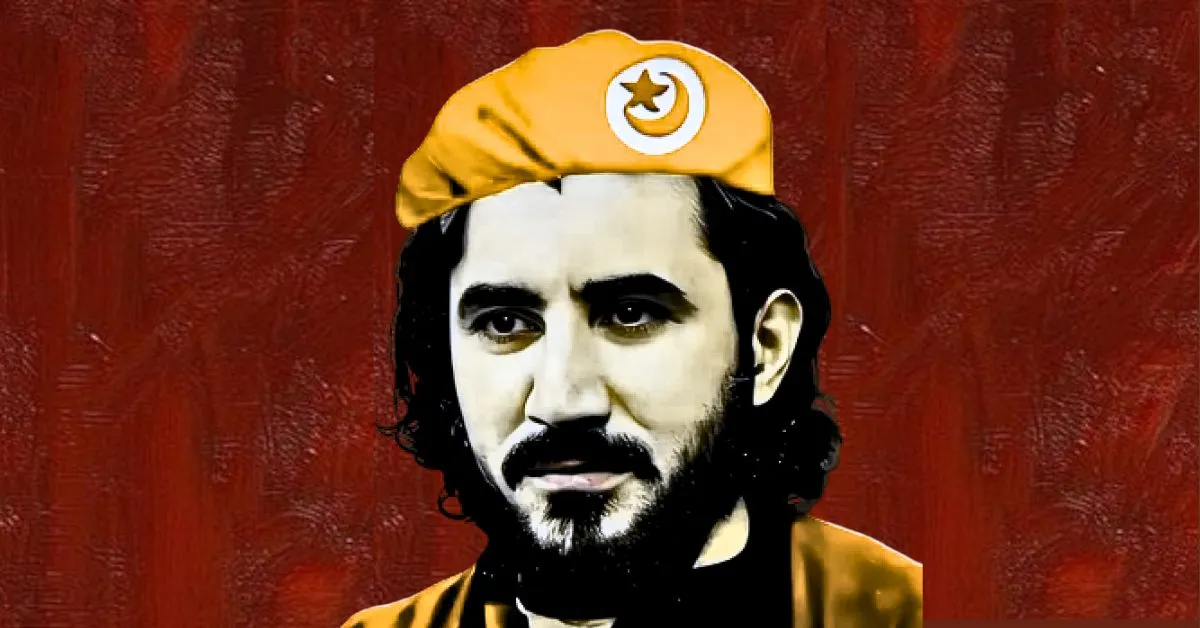
Social media already plays a significant role in Pakistan’s politics. Platforms like X and TikTok are filled with political debates, memes, and digital campaigns. The Pakistan Tehreek-e-Insaf (PTI), led by Imran Khan, has used these tools most effectively. From 2018 to 2024, PTI turned its online following into street power, especially among young voters.
When traditional media outlets refused to give coverage, PTI supporters created their own channels, live broadcasts from protests, AI-generated speeches mimicking Khan’s voice, and digital posters that spread faster than any official announcement. The party’s youth wings, such as the Insaf Students Federation and Insaf Youth Wing, organized campus activities and nationwide rallies.
Even after Khan’s imprisonment, these networks continued to function. They turned political slogans into viral trends, kept international attention alive, and documented arrests and raids. In many ways, this digital resistance mirrored the early phases of Bangladesh’s or Sri Lanka’s movements.
However, Pakistan’s political landscape is more complex. The military’s deep involvement in governance means that any mass mobilization faces additional hurdles. Internet shutdowns, arrests, and censorship have become standard tools for controlling the flow of information. However, despite these barriers, Pakistan’s Gen Z remains unusually persistent. They switch between apps, use private messaging channels, and rely on VPNs when needed.
There is also a cultural shift underway. Young Pakistanis, raised on social media, are less tied to party loyalties and more focused on issues of transparency, justice, and economic opportunity. Many no longer trust television anchors or official statements; their news comes from influencers, independent journalists, or even TikTok creators who explain politics in local slang.
This independence could prove decisive. As traditional political narratives weaken, new online narratives are forming, driven by humor, emotion, and authenticity.
The Military Factor In Pakistan
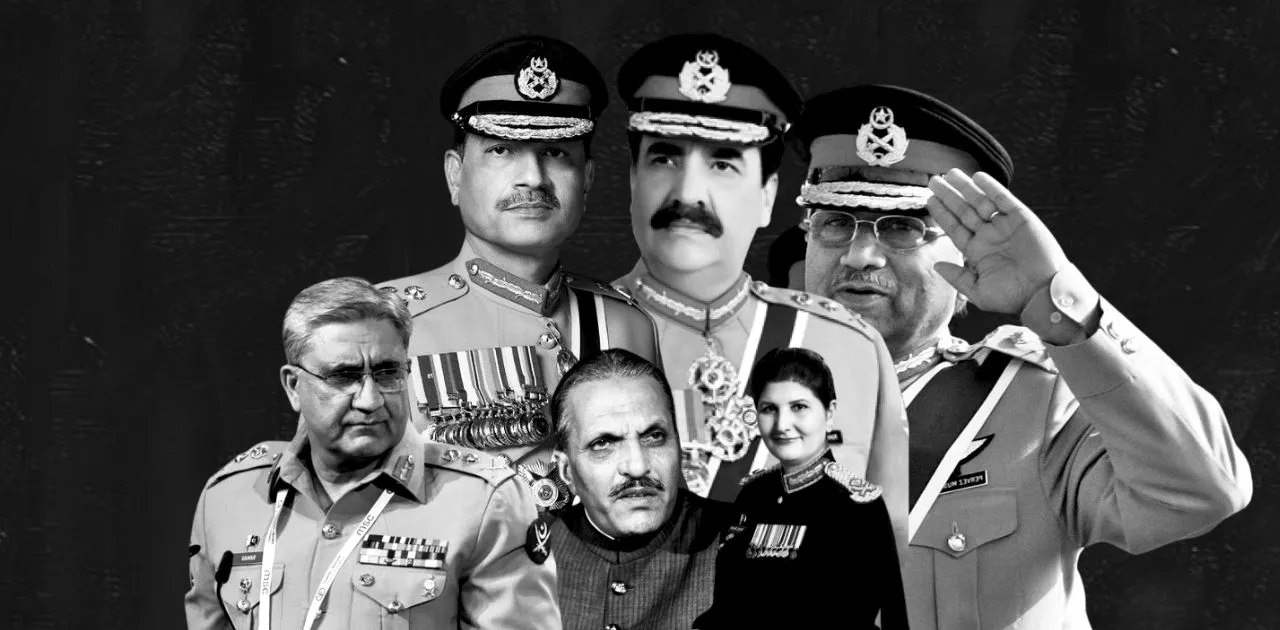
For decades, Pakistan’s military has played a significant role in shaping the country’s national politics. From direct coups to behind-the-scenes influence, it remains the most powerful institution in the country. This control extends beyond politics into media, education, and the economy.
The military’s public relations arm, the ISPR, invests heavily in controlling narratives. Patriotic dramas, songs, and online campaigns are used to build loyalty, while dissenting voices are often silenced. For many years, this approach had been practical. However, Gen Z is proving to be harder to control.
Young people today are more exposed to alternative viewpoints. They compare their situation with that of their peers in other countries. When they see students in Dhaka or Kathmandu bringing down governments, they start questioning why a similar change seems impossible at home.
The military’s control mechanisms, from education to economic incentives, still limit open opposition, but cracks are visible. On platforms like X, young users openly debate topics that would have been unthinkable a decade ago. Even pro-military hashtags often face waves of mockery or counter-memes.
This tug of war between the establishment and digital youth has given rise to a new kind of politics, one that unfolds more online than in parliament.
Can Pakistan’s Gen Z Spark a Similar Movement?
The short answer: not yet, but the groundwork is being laid.
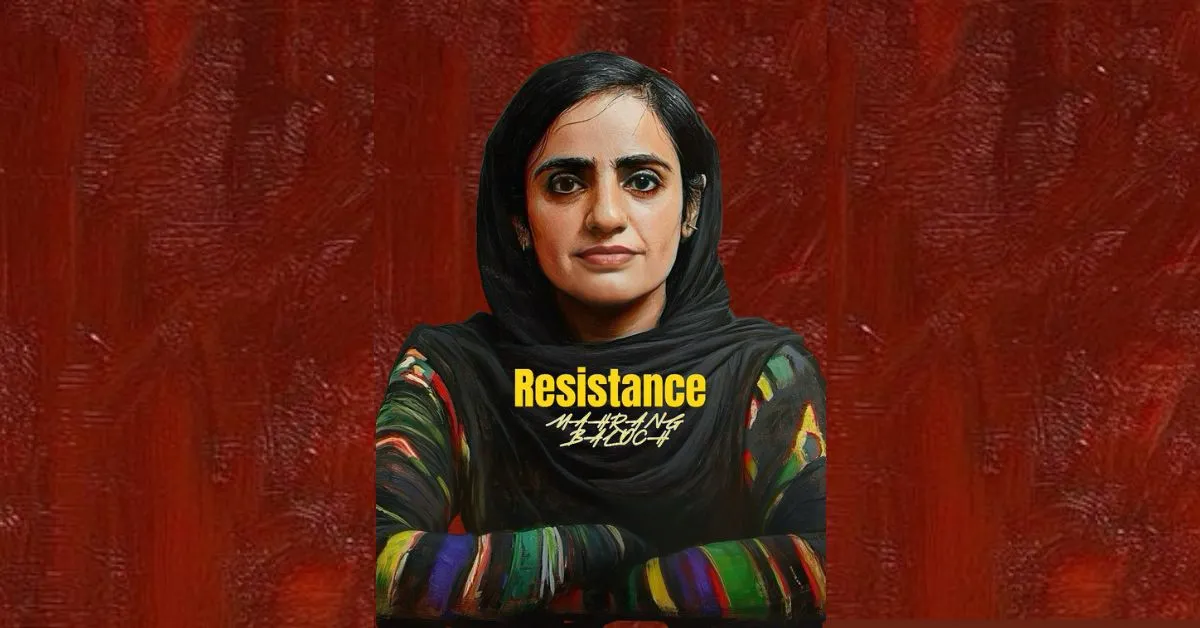
Unlike in Bangladesh or Nepal, where a single trigger united students across classes, Pakistan’s protests are often divided along party or regional lines. A youth movement in Balochistan rarely finds support in Punjab; an urban campaign in Karachi may not reach rural Sindh. Without national unity, it becomes difficult to sustain momentum.
Still, the ingredients are all there. The economic situation is dire, unemployment is high, and faith in politicians has eroded. Many analysts believe that a spark such as blatant electoral fraud, a social media ban, or a major corruption scandal could ignite something larger.
If that happens, social media will again be the frontline. Apps like Discord or Telegram could become organizing hubs, as they did in Nepal. Influencers with millions of followers might turn entertainment platforms into channels for civic education. Moreover, just like in Bangladesh, young Pakistanis could use humor and memes to break fear barriers.
However, there are also risks. The military’s surveillance capacity is far stronger than in most neighboring countries. Crackdowns could be swift and severe. Without a plan for peaceful coordination, protests might devolve into chaos, something that could justify even tighter control.
The challenge for Pakistan’s Gen Z, then, is to strike a balance between passion and strategy. Digital activism is powerful, but it needs organization to last.
What Could Change In Pakistan
If Pakistan’s youth movements evolve beyond party lines, focusing on shared problems rather than leaders, they could reshape national politics over time. Local student unions, community campaigns, and independent online collectives are already starting to play this role.
There are signs of quiet transformation. University debates now encompass topics such as censorship, economic inequality, and military accountability. Independent YouTube journalists, many of whom are under thirty, have built loyal audiences by discussing issues that mainstream media often avoids. Even memes once dismissed as trivial are now vehicles for political expression.
Change in Pakistan may not come through a single dramatic uprising. It may arrive gradually, through persistent questioning and digital solidarity, every tweet, every video, every protest livestream chips away at the old order.
And while the military’s grip remains strong, its image among youth is shifting. For a generation that values transparency, unquestioning loyalty feels outdated. The idea of a “savior institution” no longer carries the same weight it once did.
Across South Asia, the story of Gen Z’s political awakening is still being written. Bangladesh, Nepal, and Sri Lanka have demonstrated that when young people combine frustration with technology, change can occur swiftly, although not always cleanly. Pakistan stands at a more complicated crossroads, where digital freedom collides with entrenched power.
What connects all these countries is a sense of shared urgency. For the first time, a generation that has grown up online believes it deserves a say in how its nations are run. Their tools are simple: a smartphone, a connection, and a desire for fairness.
They may not all agree on ideology, but they share a belief that old systems are failing. Whether through protests, memes, or small acts of defiance, they are rewriting the rules of political engagement.
In Pakistan, this energy is still simmering, not yet an explosion, but a steady flame. If it continues to grow, shaped by lessons from neighboring countries, it could redefine the way power operates in the region.