Dawar Times Magazine Editions 1.2 share strong stories about truth, resistance, and resilience.
If you have been following South Asian politics closely over the past few years, you have likely heard of the growing voice rising from Balochistan. What was once a scattered movement of resistance has evolved into a generation-defining struggle, seeking not only justice for the disappeared but also identity, dignity, and truth.
The Baloch Movement of 2025 is not just a political campaign; it is a profoundly human story of youth reclaiming their space in a country that often refuses to see them.
The movement’s roots go far deeper than the protests seen today. It is the continuation of decades of unrest, resistance, and silence that followed Pakistan’s independence. For years, stories from the province barely reached the national media. But a new generation, educated, articulate, and connected, has changed that.
The Screen of this change is the students and young activists who refuse to let the pain of their parents’ generation be erased. Their language is not of rebellion alone, but of remembrance.
In 2025, the Baloch Movement stands as one of the most consistent and organized youth-led campaigns in South Asia. Its voice is amplified not by political parties or armed groups but by the power of social media, journalism, and academic awareness.
It is being shaped in university classrooms, online spaces, and the streets of Quetta and Turbat, where slogans for justice echo against the backdrop of military checkpoints and the ensuing silence. These young people are not seeking fame; they are seeking acknowledgment.
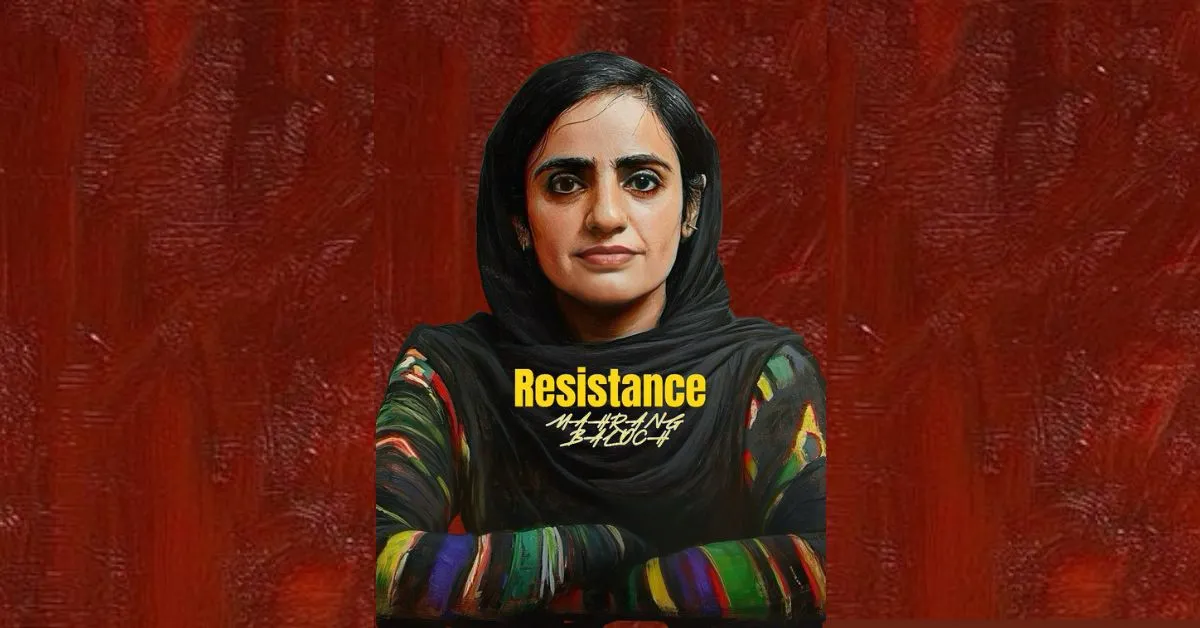
Among the many faces symbolizing this movement, Dr. Mahrang Baloch has emerged as a key figure. Born into a family marked by the tragedy of enforced disappearance, her activism began not with ideology but with personal loss. Over time, that grief turned into organized resistance.
Through the Baloch Yakjehti Committee (BYC), she became a national name, representing a new kind of leadership, fearless, academic, and deeply empathetic. In her speeches, she does not speak of division but of accountability, of the simple demand to be seen as human. Her voice, calm but unshakable, has inspired thousands of young Baloch students to take pride in their identity.
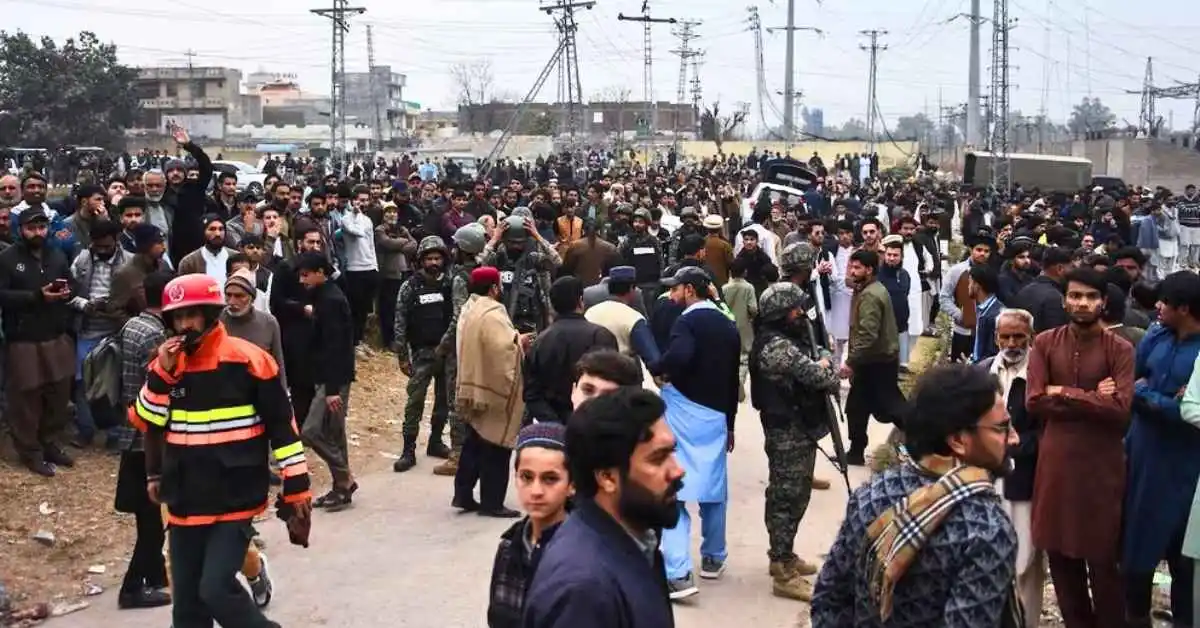
Yet, the struggle is not without cost. Protests in Quetta, Turbat, and Karachi have often been met with police crackdowns and intimidation. Young activists are detained, questioned, and sometimes vanish without a trace. Despite this, the movement continues to grow quietly, steadily, and courageously. It has become a mirror reflecting the contradictions within Pakistan: a country that promises democracy but fears dissent, that celebrates its youth but silences its thinkers.
2023 and 2024 marked a turning point when the Baloch long marches, often led by women, captured national and international attention. Images of women holding photographs of their missing sons and brothers spread across social media, drawing solidarity from journalists, students, and human rights organizations.
For many in Pakistan, it was the first time they saw the human side of Balochistan’s pain, unfiltered by political propaganda. For the global audience, it was a reminder that resistance still breathes even under the weight of suppression.
At its core, the Baloch Movement is not only about political rights but about reclaiming identity. For decades, being Baloch in mainstream Pakistan often meant being invisible. Today, young writers, filmmakers, and students from the region are using their voices to redefine what it means to belong.
Their poetry speaks of loss, their art speaks of survival, and their social media posts challenge long-accepted narratives without question. It is through this cultural resistance that the movement has found its greatest strength.
The government, meanwhile, finds itself in a difficult position. Decades of military operations, economic exploitation, and failed reconciliation policies have deepened mistrust. Projects like Reko Diq and CPEC, rather than being seen as opportunities, are often perceived as extensions of exploitation, where locals remain spectators to their own resources being taken away. As Balochistan remains Pakistan’s poorest province despite its rich mineral and natural gas resources, the demand for justice becomes not only political but also moral.
International attention, though sporadic, has also begun to grow. Global human rights organizations and media outlets have started covering the disappearances, protests, and voices of young activists.
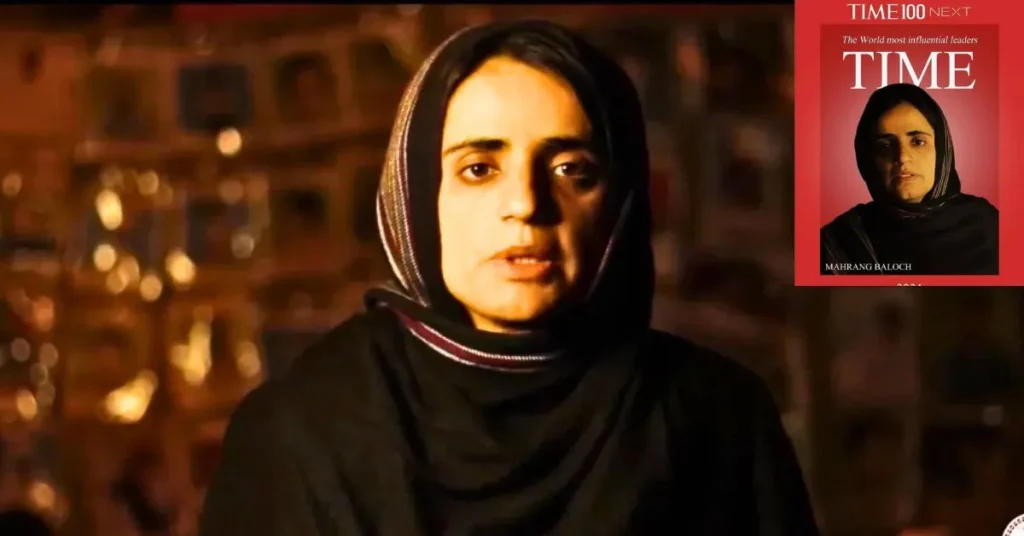
Figures like Dr. Mahrang Baloch have been featured in global magazines, nominated for peace awards, and recognized as one of the most influential women in the world. Yet, despite this recognition, she continues to live under constant pressure, symbolizing the paradox of being both celebrated and censored at once.
The youth of Balochistan have found innovative ways to express their defiance. Digital journalism platforms, podcasts, and independent news outlets, such as Dawar Times, have provided a space where stories can breathe freely. These platforms have become lifelines, serving as repositories where truth is documented before it is erased. It is no longer just about resistance; it is about narrative control. And in the world of 2025, where information is power, owning your story is the most excellent form of rebellion.
Despite the risks, the movement’s tone remains peaceful and grounded in human rights. This is what distinguishes it from past armed movements. Today’s Baloch activists are not carrying weapons but words. They demand justice through dialogue, awareness, and democratic engagement. Their struggle is not for separation, but for survival – for the right to live without fear, to study, to speak, and to remember.
As the sun sets over the barren mountains of Balochistan, the chants of “Where are our loved ones?” still echo through the dusty roads. But those echoes are no longer unheard. From Islamabad to London, from university halls to UN forums, the conversation has begun. What remains to be seen is whether Pakistan will listen to its own children or continue to silence them.
In 2025, the Baloch Movement stands not as a rebellion against the state, but as a reflection of its failures. It is a reminder that peace cannot exist without justice, and that a nation cannot heal while ignoring its wounds. For the youth of Balochistan, the journey is far from over, but their persistence has already changed the narrative. They have shown the world that courage does not always roar; sometimes, it simply refuses to disappear.