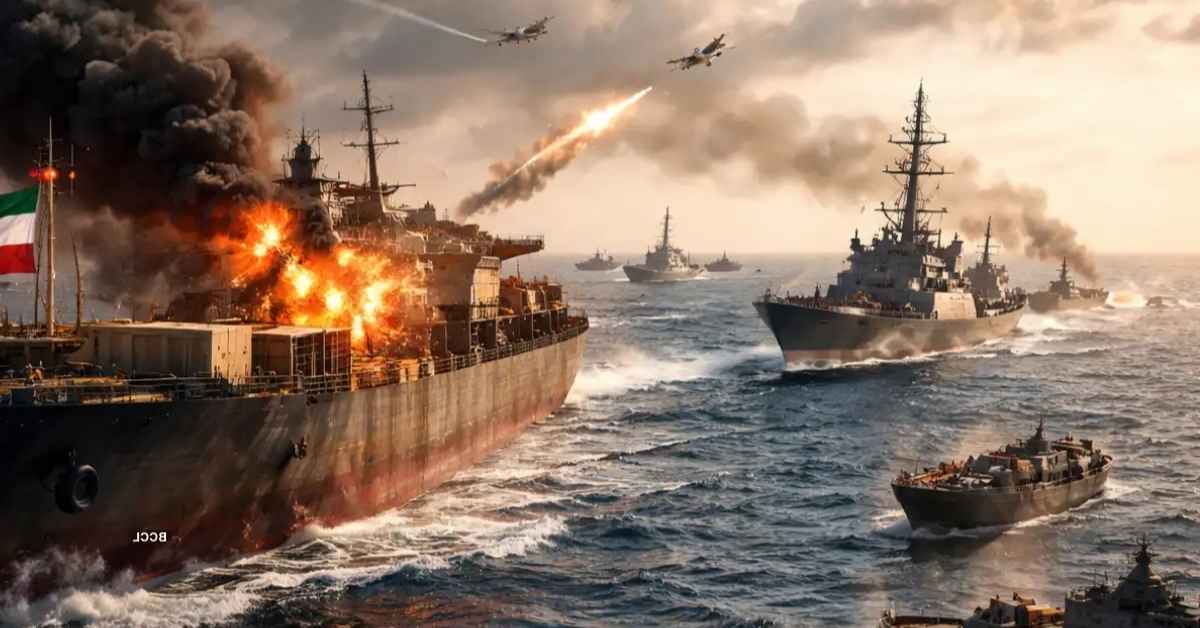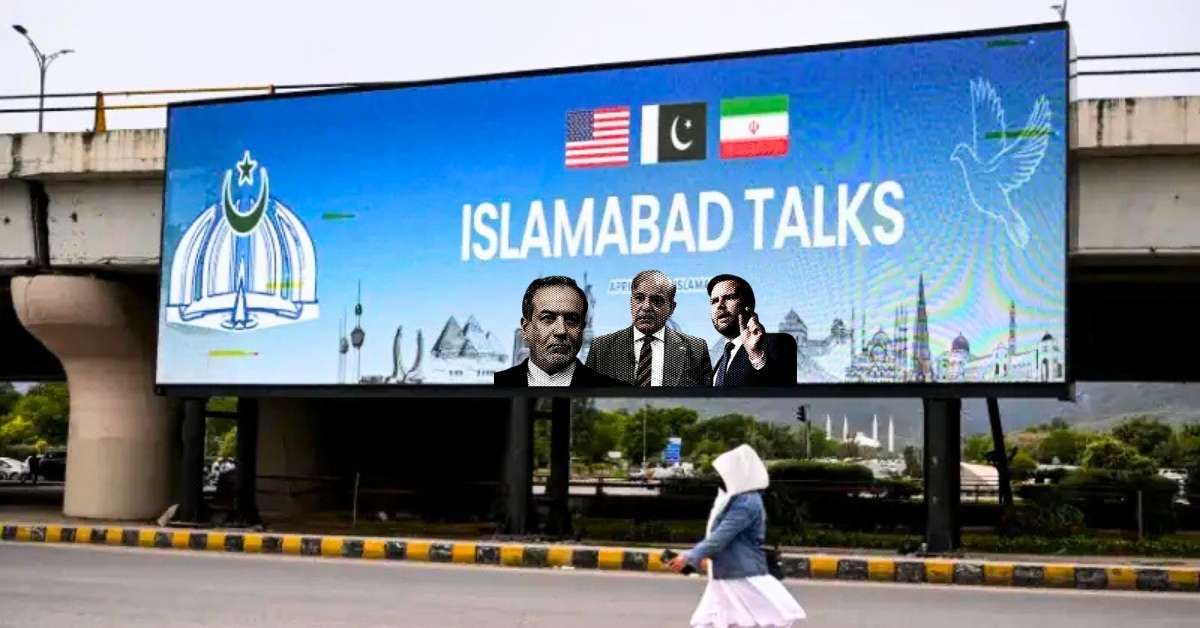
The long-simmering shadow war between Iran and Israel has finally broken out into a direct, high-stakes military confrontation. Since late February 2026, the region has seen a relentless cycle of missile strikes and drone barrages, marking a dangerous shift from proxy battles to open warfare.
Israel’s targeted strikes on Iranian military and nuclear infrastructure have been met with massive retaliatory launches from Iran, drawing in regional allies and straining global diplomacy. Beyond the immediate destruction, the conflict has sent shockwaves through the global economy, as threats to oil shipping lanes in the Strait of Hormuz push energy prices to record highs and leave the international community bracing for what comes next.
If you’ve been following the news this week, you know the names Israel and Iran aren’t just dominating headlines; they are rewriting the history of the Middle East in real-time. But what we’re seeing today is no longer a silent rivalry. It is a chilling, high-stakes collision of espionage and direct warfare, where spies are executed, journalists are silenced, and the “truth” has become the most dangerous thing to carry.
As of March 2026, the world is reeling from two parallel tragedies: a wave of high-profile executions of Mossad agents in Tehran and the staggering, record-breaking number of journalists killed by Israeli forces in Gaza. Together, they reveal the dark reality of our time: in this conflict, information is as lethal as any missile.
In the past few weeks, two incidents have shaken the international community: the execution of a Mossad agent in Iran and new claims that Israeli forces deliberately targeted journalists during the Gaza war. Together, they reveal the dark intersection of intelligence, politics, and the human cost of conflict.
The Spy Who Died in Silence
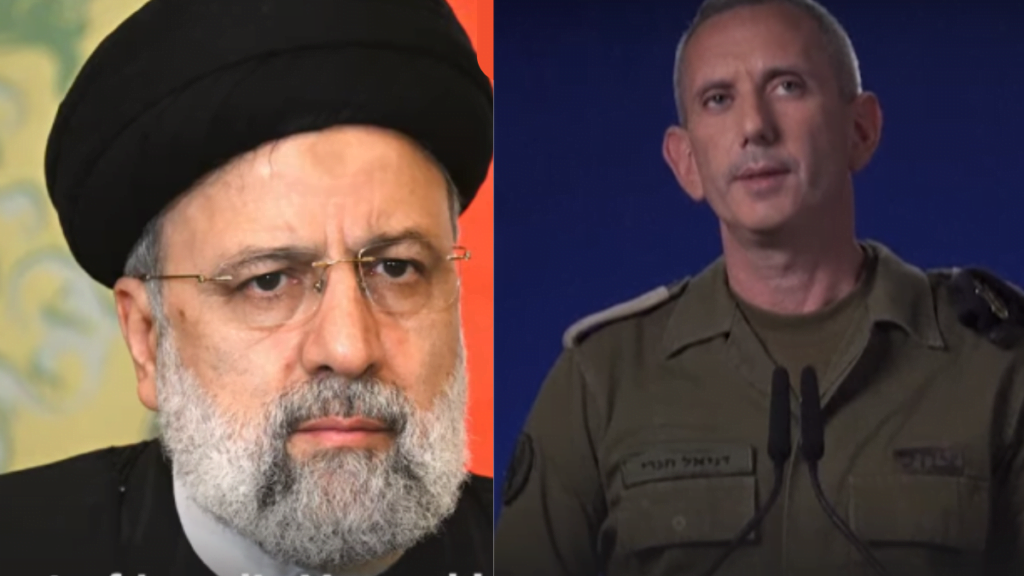
In Tehran, where the air of secrecy is thicker than the desert dust, news broke that Iranian authorities had executed a Mossad spy. The man, whose identity was kept under wraps, was accused of passing sensitive national information to Israel. His death was swift, quiet, and deeply symbolic, a message from Iran that its enemies, even the unseen ones, are never out of reach.
For decades, Mossad has been at the center of Israel’s shadow wars, covert operations, assassinations, and intelligence missions across the Middle East. But this time, the tables turned.
Iran’s state media reported that the spy had been involved in a series of intelligence leaks that compromised Iranian military and nuclear assets. The execution wasn’t just punishment; it was a performance meant to send a clear warning to both Israel and the West.
Political analysts describe it as part of a larger psychological war, an invisible conflict where every secret exchanged, every operative captured, and every death carries political weight.
The animosity between Iran and Israel is not new; it’s a war without formal declaration, fought in the shadows.
From cyberattacks to targeted killings, both nations have played a dangerous game of retaliation. Iran blames Mossad for sabotaging its nuclear program, assassinating top scientists, and even manipulating internal dissent. Israel, on the other hand, accuses Iran of funding and arming groups like Hezbollah and Hamas, which it considers existential threats.
The death of a Mossad agent on Iranian soil has therefore reignited fears of another cycle of vengeance. Israeli intelligence circles have reportedly gone silent, while Iranian officials have used the moment to project strength to their domestic audience.
But behind the political chessboard lies a deeper question: how far can this shadow war go before it turns into something much bigger, something neither country nor the world can control?
While Iran was making headlines for executing a spy, another controversy was raging thousands of miles away in the rubble-strewn streets of Gaza.
During the Israel-Hamas war, Iran and several global organizations accused Israel of deliberately targeting journalists. The claim, supported by multiple incidents, has sparked international outrage.
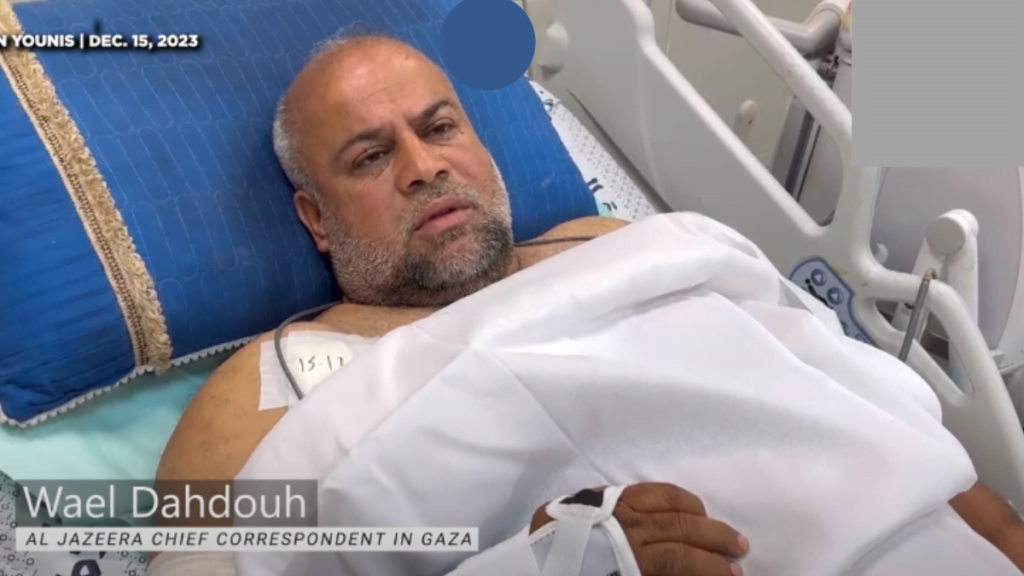
On December 15, Al Jazeera confirmed the death of its cameraman Samer Abu Daqqa in an Israeli airstrike. He was covering the situation near a school in Khan Younis when shrapnel from a missile tore through the area. Alongside him, Wael Al-Dahdouh, the Gaza bureau chief, was also injured.
Their footage, the final frames of their lives on the frontlines, captured not just a war between two sides, but the war against truth itself.
Al Jazeera’s statement was scathing:
“The network holds Israel accountable for systematically targeting and killing their journalists and their families.”
For media workers around the world, that line hit hard. Because in Gaza, carrying a camera often feels as dangerous as carrying a weapon.
War reporting has always been risky, but in Gaza, it has become almost suicidal. Journalists there not only face the dangers of airstrikes but also work amid communications blackouts, shortages of safety gear, and the constant fear that their press vests won’t protect them from military fire.
The case of Samer Abu Daqqa has become a symbol of courage, sacrifice, and the question that haunts every war correspondent: Is telling the truth worth dying for?
Samer wasn’t just documenting destruction; he was documenting lives. Families, hospitals, schools, all that remains of a once-bustling city now reduced to ashes. His final assignment was to cover a school that had turned into a shelter for displaced Palestinians. Instead, that school became his grave.
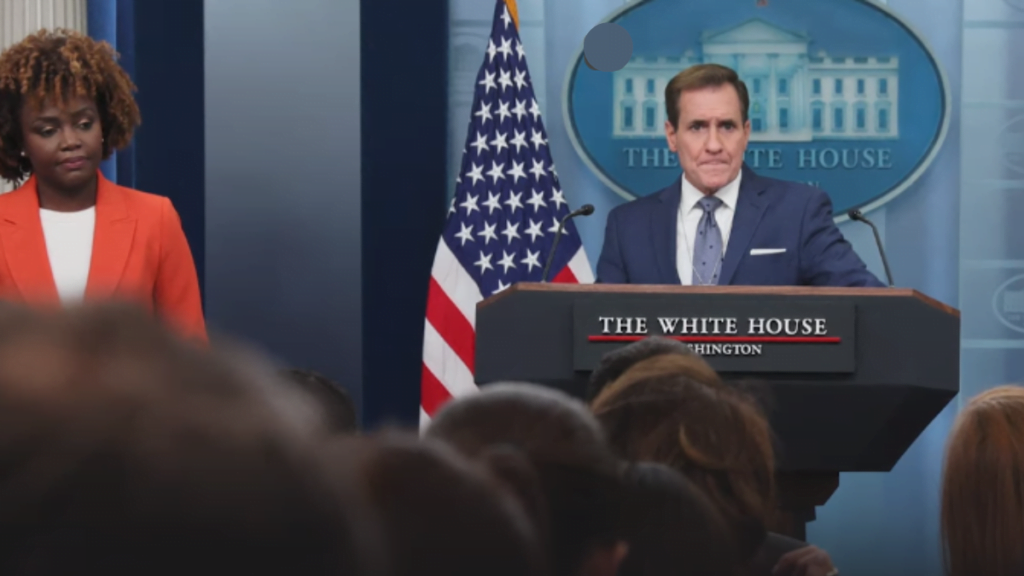
The White House, reacting to the tragedy, expressed condolences for Abu Daqqa’s death, calling it “deeply saddening.” But for many in the Middle East, condolences without accountability feel like silence disguised as sympathy.
Global Reactions and Growing Divides
The world’s response to these incidents has been mixed, reflecting the deep polarization surrounding Israel’s military actions and Iran’s political maneuvers.
Western nations, while calling for restraint, have avoided directly condemning Israel. In contrast, Iran, Qatar, and several international media groups have demanded independent investigations into what they describe as “deliberate targeting of journalists.”
The Committee to Protect Journalists (CPJ) reported that dozens of media professionals have been killed since the start of the conflict, making Gaza one of the deadliest zones in modern journalistic history.
Meanwhile, Israel maintains that its forces target militant positions, not journalists, and that casualties among media workers are “tragic but unintended.”
But the images tell another story: press vests marked “MEDIA” lying in rubble, cameras shattered beside lifeless hands, and the haunting silence of stories that will never be said.
When we look at the Mossad agent’s execution in Iran and the deaths of journalists in Gaza side by side, a grim pattern emerges. Both incidents are rooted in control of information: one punished for revealing secrets, the other silenced for uncovering the truth.
In both Tehran and Gaza, those who live by information often die because of it.
Espionage and journalism may seem worlds apart, one works in shadows, the other in light, yet both rely on uncovering what others wish to keep hidden. And in the geopolitics of the Middle East, that’s often a death sentence.
Behind every spy report and war headline are human beings’ families, stories, and lives forever altered.
The Mossad agent’s death leaves behind unanswered questions: Was he truly guilty? Was it a show of power or an act of justice? Meanwhile, in Gaza, journalists like Abu Daqqa and Al-Dahdouh continue to risk everything to ensure the world doesn’t turn away.
Their sacrifices remind us that wars are not just fought with missiles and intelligence; they’re fought with narratives. And sometimes, controlling the narrative becomes more important than winning the war itself.
The Israel-Iran rivalry has expanded far beyond geography. It’s a hybrid war, part cyber, part psychological, part military. While Iran executes spies, Israel continues to dismantle Iranian networks abroad. And in Gaza, the battle for hearts and minds continues daily.
Every statement, every drone strike, every press release is part of this invisible war for perception. In that sense, the deaths, whether of a Mossad operative or a journalist, are not isolated tragedies but part of a larger, ongoing power struggle.
The international community stands at a moral crossroads. When journalists are killed, and spies are executed, how much truth is the world really willing to handle?
Condemnations are easy. Accountability is harder. And between Tehran’s execution chambers and Gaza’s bombed schools, truth keeps getting buried under politics.
The United Nations has called for independent investigations into both the Mossad execution and Israel’s alleged targeting of journalists, but such probes often fade into bureaucratic limbo. Meanwhile, the violence continues, and the silence grows louder.
The execution of a Mossad spy in Iran and the killing of journalists in Gaza are two sides of the same tragic coin, both victims of a world where information itself has become dangerous.
One was executed for secrets; the others were killed for seeking them.
As global tensions rise, it’s easy to forget that behind every act of war lies a simple human desire to know, to tell, to survive.
Whether in Tehran’s prisons or Gaza’s ruins, truth remains the most fragile casualty of all.
And as long as nations continue to fight in the shadows, it will be the voices of the brave, the spies, the reporters, the witnesses that pay the ultimate price.