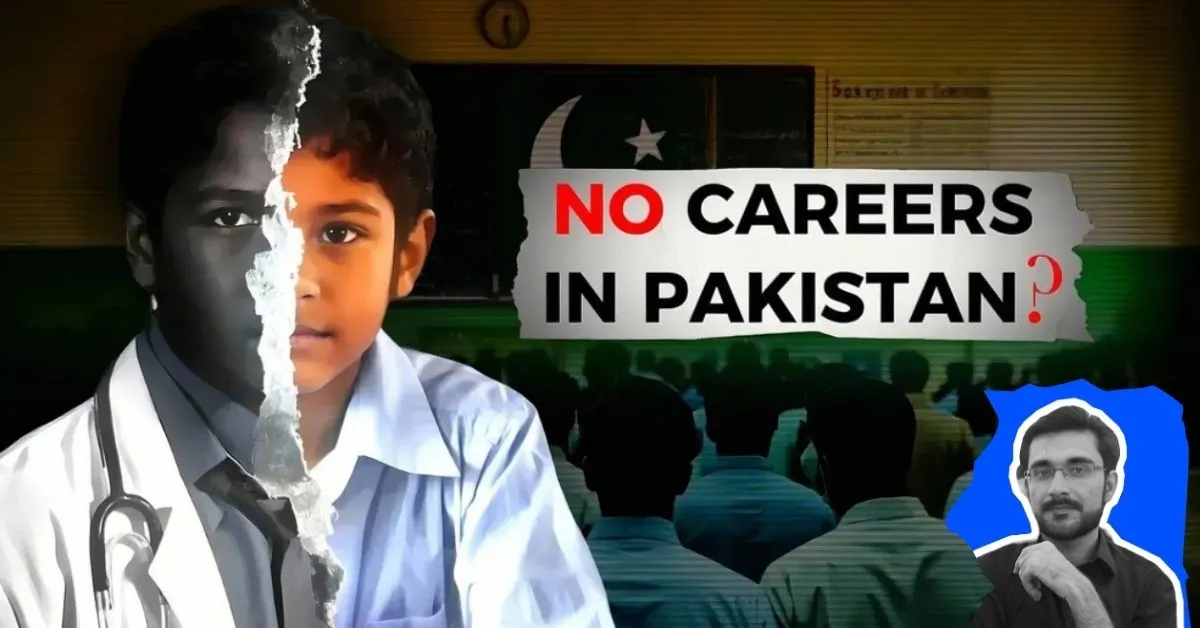
After examining recent reports, statistics, and discussions, it’s clear that Pakistan’s education system has significant problems. It focuses too much on memorizing facts and on old teaching methods, rather than on teaching skills that help people earn a living.
According to the Ministry of Federal Education and Professional Training, in 2025, the literacy rate was only 62.3%, and approximately 60 million people were illiterate. This suggests that the education system often fails to equip most people with the skills necessary to improve their economic situation.
This isn’t just a mistake; it’s a result of colonial influences that create workers who follow orders rather than becoming thinkers or business owners.
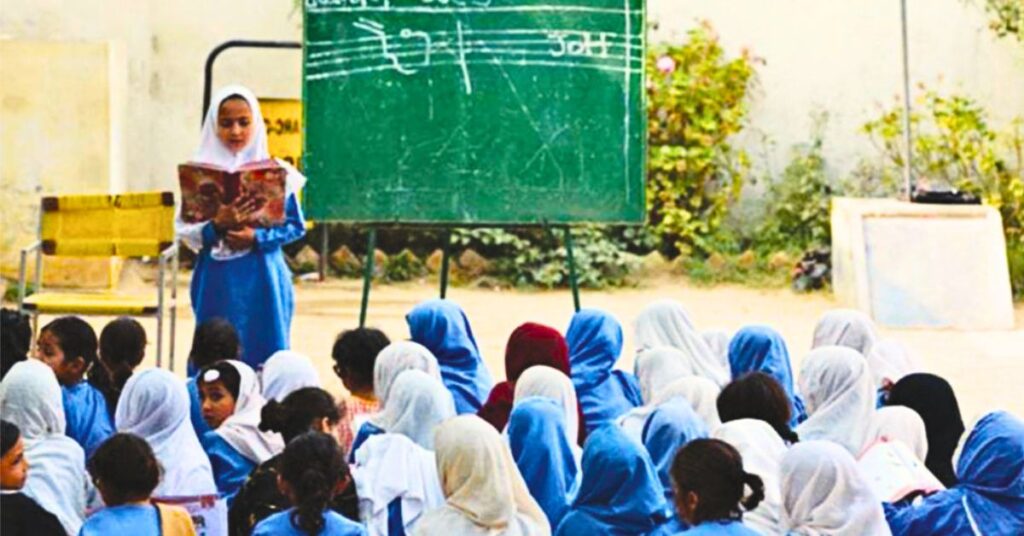
The roots of colonialism are firm. Set up during British rule to create administrators, the education system emphasizes science, math, and memorization, and hasn’t changed much since 1947.
Studies about education after colonial times show that systems like Pakistan’s were not meant to help local people but to keep the power structure in place.
Nowadays, this is reflected in outdated curricula that fail to meet the needs of the 21st century, such as critical thinking, digital skills, and entrepreneurship. A 2025 review highlights that memorizing facts is the primary focus, which leaves students unprepared for jobs in the global market.
Career paths are minimal: they primarily include medicine, engineering, or banking, and there is a significant lack of vocational training. Technical schools are not enough; they lack the proper facilities and tools, according to the Islamabad Policy Research Institute.
Funding issues make the crisis worse. In FY2025, spending on education dropped to 0.8% of GDP, down from 0.9%, well below UNESCO’s recommended 4-6%. This lack of investment results in overcrowded classrooms and underqualified teachers.
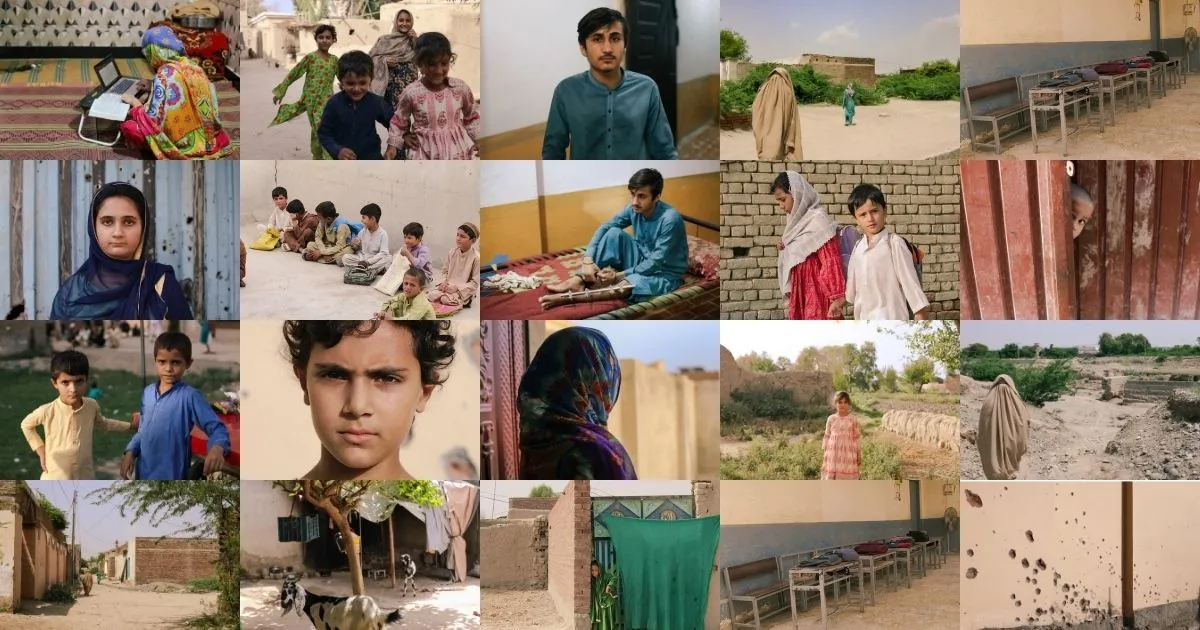
With 22.8 million children aged 5-16 not in school, making Pakistan the second-highest in the world, according to UNICEF, the education system leaves out a considerable part of the population.
Some estimates say this number is 26.2 million, or 38% of school-age children, with girls suffering the most in tribal areas where female literacy is only 9.5%. The gap between urban and rural areas is growing: Cities like Lahore have a literacy rate of 75%, while remote areas struggle.
Graduate unemployment highlights the problem. Millions get degrees that nobody wants, and they end up in debt. As X user @Shahidmasooddr tweeted, “The education system is stuck on old degrees, charging a lot for things that don’t matter. Every year, millions graduate with skills that aren’t needed.”
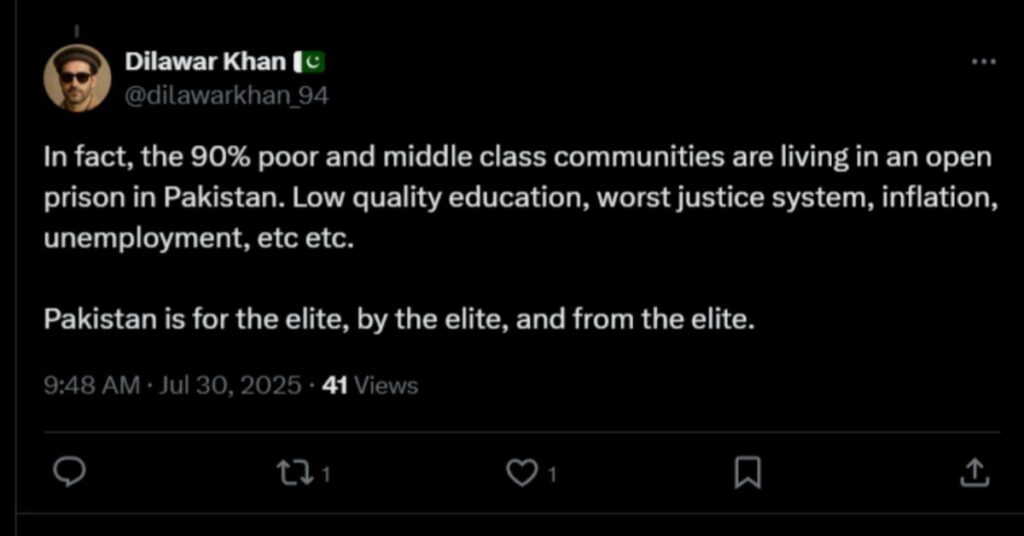
This reflects a bigger issue: @dilawarkhan_94 mentioned that poor and middle-class families feel trapped in an “open prison” because of bad education, rising prices, and joblessness, calling Pakistan a place “for the elite, by the elite.” 77% of kids are “learning poor,” meaning they can’t read or understand simple text by age 10, according to World Bank data.
Inequality is built into the system. Elitism and leftover colonial attitudes make the gaps worse, with private schools for the rich providing better resources, while public schools struggle. More than 90% of public school teachers send their kids to private schools, showing a “trust deficit,” as @karachiobserver pointed out on X. Gender gaps are still a problem:
There are significant literacy differences, with girls at a disadvantage. Minister Ahsan Iqbal warned that even though parents care about education, the system might make the rich-poor gap even bigger.
The quality of teachers is low. Bad assessments and poor teaching methods hurt the system, as @faizullahkhant1 tweeted:
“The education system in Pakistan is on the edge of disaster because of general literacy issues, BS programs, and bad assessments and teaching.”
Many teachers lack proper training, which perpetuates the same old problems. Programs like the Single National Curriculum aim to bring everyone together, but they face challenges with fairness and local control.
Starting businesses is hard. If we don’t focus on teaching real-life skills, young people go into crowded job markets without the skills they need. X user @FarazDarvesh pointed out that a growing population, untrained workers, and poor education are contributing to unemployment and the spread of extreme views. This leads to brain drain, as bright graduates leave for better opportunities abroad.
Proposed reforms include increasing budgets, updating curricula, and training teachers; however, their actual implementation is slow. According to LinkedIn analyses, the 2025-26 budget missed opportunities to improve education. Goals such as achieving 100% primary enrollment by 2025 remain out of reach.
Pakistan’s education system fosters dependency rather than creating wealth and prosperity. It won’t make you rich because it overlooks innovation, fairness, and relevance.
Pakistan’s education system is in crisis. Unemployment is rising. Real success requires a complete transformation: focusing on skills, inclusivity, and accountability. Until that happens, the only ways to get ahead might be through self-directed learning or moving abroad, but for 240 million people, that’s a big national failure.