If you’ve been following the recent crime stories coming out of Karachi, you’ve probably heard the name Mustafa Amir. A bright 23-year-old Business Administration student, Mustafa’s life was cut short brutally and mysteriously, which has shaken Pakistan’s largest city. His story isn’t just about a crime; it’s about the broken state of investigation, legal loopholes, and a family’s endless fight for justice.
It all started on 6 January 2025, when Mustafa Amir, a student living in Karachi’s Defense Housing Authority (DHA), left his house after receiving a message from a childhood friend, Armughan. His last text to his mother was hauntingly simple:
“Mama, Armughan called me. I’ll be back soon.”
But Mustafa never returned.
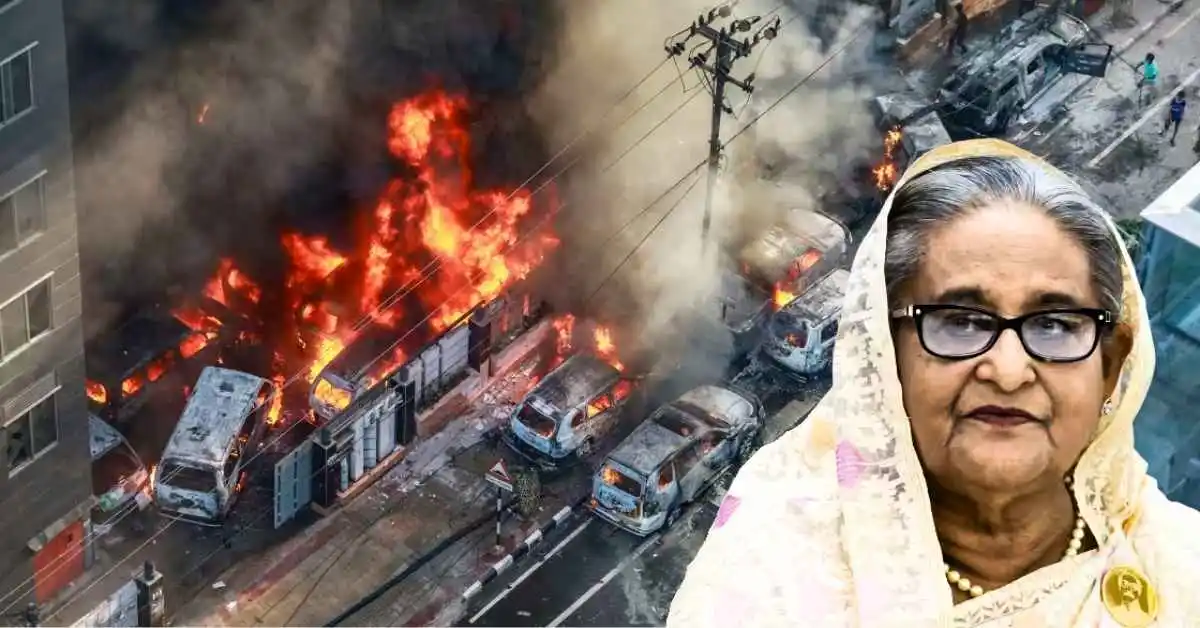
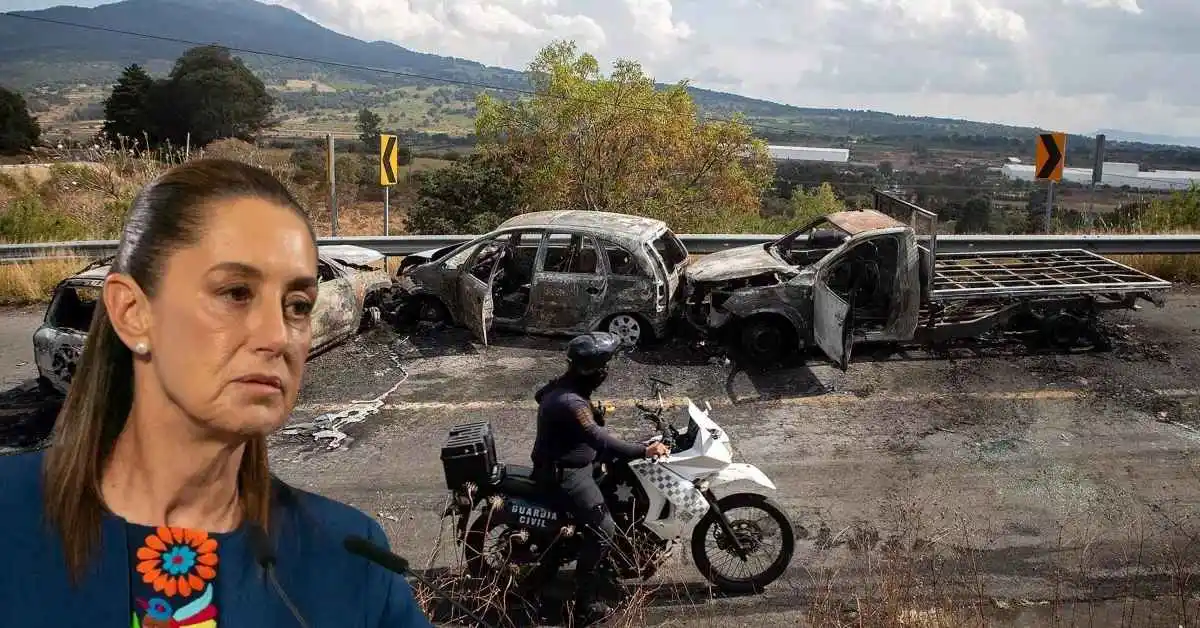
Weeks later, a horrifying discovery was made of a burned car near Hub, Balochistan, with human remains inside. It was Mustafa’s vehicle, and soon, through fragmented forensic evidence, it was confirmed that the body was his. The car had been set on fire, possibly to erase all traces of the crime.
After an intense search, two of Mustafa’s childhood friends, Armughan, a self-proclaimed cryptocurrency trader, and Shiraz Bukhari, were arrested following an exchange of fire with the Anti-Violent Crime Cell (AVCC) in Karachi.
Police sources say the murder happened during an argument at Armughan’s house. The suspects allegedly killed Mustafa, disposed of his body, and set the car ablaze near Hub to make it look like an accident.
DIG Muqaddas Haider, leading the CIA wing, confirmed:
“Amir’s phone and the bloodstained carpets were key to the case. Shiraz’s confession aligned with the staff’s statements about the murder.”
However, as the case unfolded, glaring issues in the investigation began to surface.
From Armughan’s luxury home in Karachi, investigators recovered bloodstained carpets, 64 laptops, and Rs. 5 million in cash. Despite this, DNA testing has been delayed for weeks, leaving crucial questions unanswered.
Forensic experts claim that the lack of coordination between Sindh and Balochistan police since the murder occurred in Karachi and the body was found in Hub created confusion about which department should lead the investigation.
Mustafa’s mother’s words cut deep:
“Why delay DNA tests? We’ve handed the evidence, but the police act like they’ve forgotten our son exists.”
This statement reflects a painful truth: Pakistan’s forensic system remains underfunded, understaffed, and painfully slow.
The Court’s Reaction and JIT Formation
When the case was brought before the court, the AVCC’s request for remand was rejected due to weak evidence. The judge instead ordered the formation of a Joint Investigation Team (JIT) to bring together Karachi Police, Balochistan authorities, and forensic experts.
Court reporter Amin Anwar explained:
“The AVCC’s dependence on servant statements made their case weaker. The JIT now has to handle multiple jurisdictional and procedural issues.”
The court’s move, though necessary, underlines a disturbing fact: police investigations in high-profile murder cases often lack solid forensic and digital evidence.
The Missing Links
The investigation is riddled with missing pieces.
- Mustafa’s iPhone is still untraceable.
- CCTV footage from the DHA neighborhood was never secured in time.
- DNA samples have not been collected from the family for over a month.
- Forensic reports are pending without explanation.
Meanwhile, rumors have surfaced about Armughan’s alleged involvement in illegal activities, including cryptocurrency scams and bizarre photos involving wild animals. Locals even speculated about possible body disposal through exotic animals, though police have not confirmed this.
When the news of Mustafa’s death broke, it ignited a storm on social media. The hashtag #JusticeForMustafa began trending on Twitter (now X), with thousands of people calling for accountability.
Activists, journalists, and ordinary citizens accused the police of negligence and cover-ups, demanding transparency from Sindh authorities.
Public anger grew further when it was revealed that no DNA samples had been matched, even a month after the murder. The family’s anguish turned into a campaign for reform.
Mustafa’s father made a powerful appeal:
“We call on the Sindh government to be open and honest. Our son needs justice, not just excuses from officials.”
Who exactly was Armughan?
Police investigations revealed he lived a lavish, secretive life with darkened windows, piles of cash, and multiple laptops used for cryptocurrency trading. Neighbors described him as quiet but mysterious.
Officers suspect that Armughan might have been running a cryptocurrency scam or illegal call centers, and that Mustafa, possibly aware of his dealings, became a liability.
This angle, though not officially confirmed, is being examined by the JIT.
The case’s complexity lies in jurisdictional confusion; the murder occurred in Karachi (Sindh), while the body was found in Hub (Balochistan). This has led to bureaucratic disputes over who should take charge, slowing down progress.
Lawyers believe the AVCC could reopen the case once DNA results are confirmed, potentially strengthening their case under Section 302 of the Pakistan Penal Code.
However, if mishandling of forensic evidence is proven, it could weaken the prosecution’s case, allowing suspects to walk free, a fear that haunts Mustafa’s family.
Media coverage, especially from ARY News and Geo, has kept the case alive, exposing inconsistencies and holding officials accountable. Talk shows and investigative programs have featured legal experts and journalists questioning the credibility of Karachi’s forensic framework.
The viral clips from YouTube and Twitter have ensured that Mustafa’s story doesn’t fade into silence.
One such report summarized the sentiment perfectly:
“If a 23-year-old can be killed by friends and the system still delays justice, what hope do others have?”
Mustafa Amir’s case is more than just a tragedy; it’s a reflection of systemic rot in Pakistan’s law enforcement. Karachi has seen a rise in violent crimes, kidnappings, and extortion cases, but conviction rates remain dismally low due to poor forensic handling and corrupt practices.
Experts point out that Pakistan lacks independent forensic labs and digital crime units, which makes modern investigations nearly impossible. The Mustafa case has once again highlighted the urgent need for judicial oversight and forensic modernization.
Nearly ten months after Mustafa’s murder, his family continues to wait for answers. They’ve written letters to the Sindh Chief Minister, Inspector General of Police, and Human Rights Commission, urging intervention.
The pain of losing a son is unbearable, but what breaks them even more is the system’s silence. Every day that passes without justice feels like another wound.
Mustafa’s mother, holding her son’s photo, said in a TV interview:
“We raised a boy with dreams. He wanted to start his own business. Now we only wait for DNA reports not justice, just confirmation that it’s really him.”
The murder of Mustafa Amir is not just another crime report; it’s a national mirror. It shows how inefficiency, corruption, and weak forensic systems destroy the pursuit of justice.
His case, now under the JIT, stands as a test for Pakistan’s legal and investigative institutions. If justice is delayed or denied here, it sends a dangerous message: that even in the country’s most developed city, the truth can burn just like a car set on fire.
As of now, forensic results are still awaited, the JIT report remains undisclosed, and a grieving family waits in silence, clinging to one hope that one day, someone in power will care enough to deliver justice for Mustafa Amir.