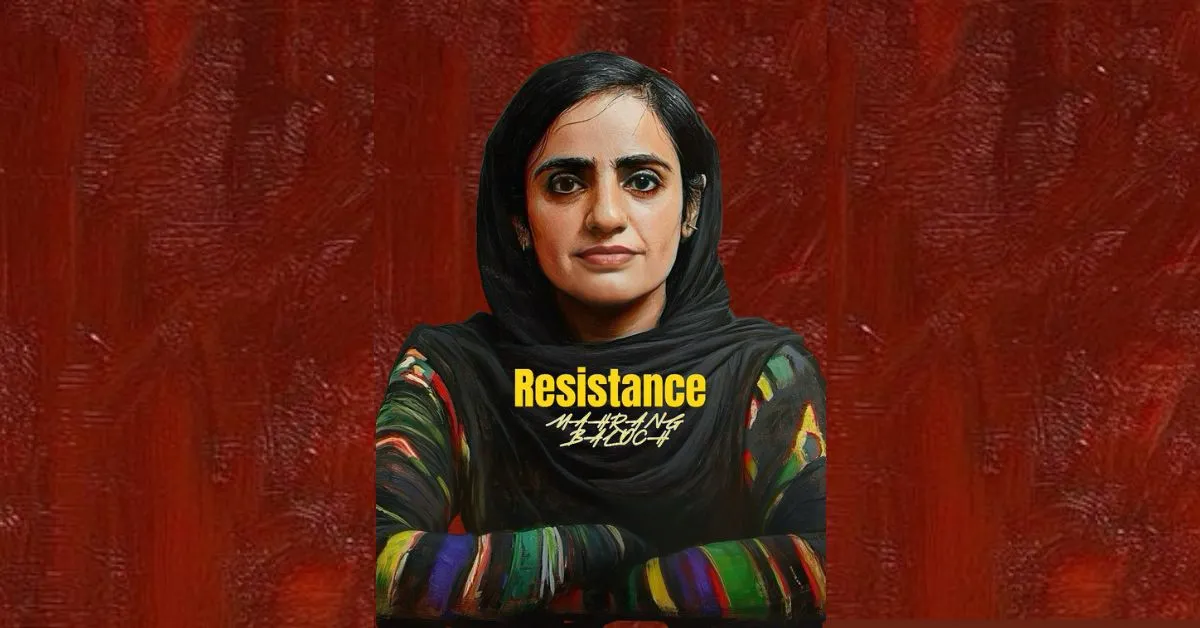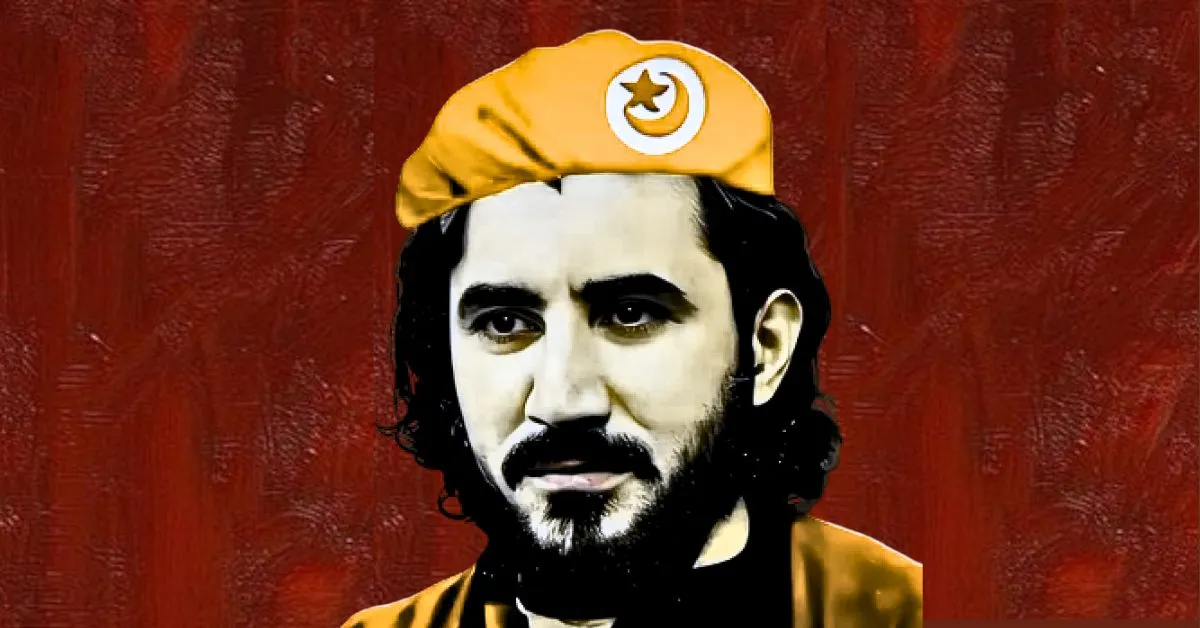
Dawar Times Magazine Edition 1.0 – Manzoor Pashteen and Greater Afghanistan
If you’ve followed South Asian politics in recent years, you’ve probably heard the name Manzoor Pashteen. He is the young Pashtun leader whose red cap has become a symbol of resistance, peace, and dignity. But behind that cap lies a much deeper story, one that connects centuries of Pashtun history, decades of political neglect, and a new generation’s dream of equality and recognition.
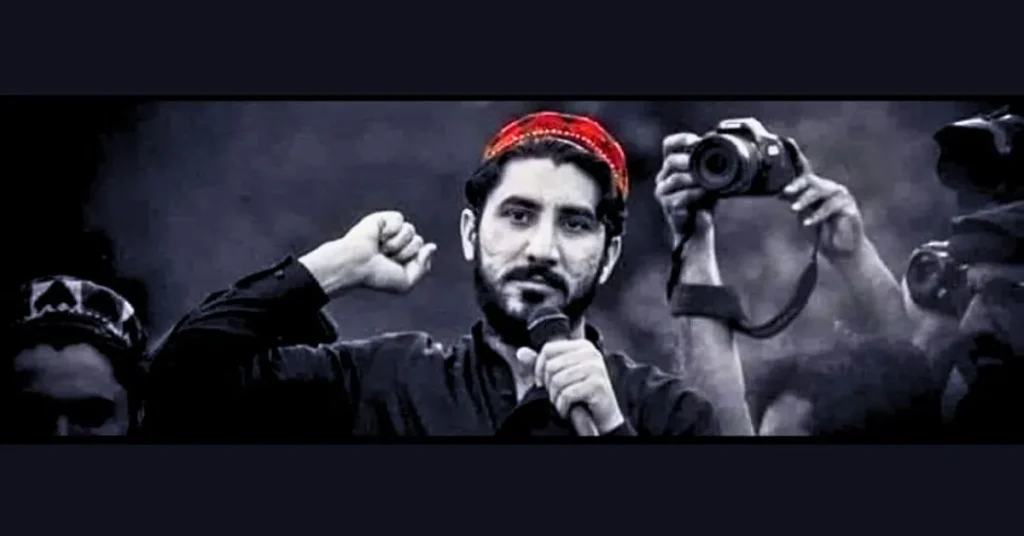
Manzoor Pashteen’s journey is not that of a traditional politician. He doesn’t come from a dynasty or the ruling class. Born in South Waziristan, a region once scarred by endless conflicts and military operations, he grew up witnessing the cost of war far more closely than most. Villages destroyed, families displaced, and generations raised in fear, these became the backdrop to his life. Yet, instead of turning bitter, he turned thoughtful. He chose words over weapons.
Manzoor Pashteen and Greater Afghanistan: The Voice of a Silent Revolution
In 2014, he founded what came to be known as the Pashtun Tahafuz Movement (PTM). This peaceful movement would soon grow into one of the most significant voices for human rights in Pakistan’s modern history. The PTM was not about rebellion; it was about remembrance of those who disappeared without a trace, of those who lost their lives to landmines, and of those who never received the justice they deserved.
By the time Pashteen appeared on the national stage, his image, that of a young man with a calm voice and a red cap, became the face of a quiet revolution. His speeches were never fiery, yet they burned through layers of silence imposed over the years. The red cap became a symbol, not of separatism, but of identity, unity, and courage.
Pashtun society, which spans the rugged terrains of northwestern Pakistan and eastern Afghanistan, carries a history that is both proud and painful. The Pashtuns have always been known for their bravery, hospitality, and honor.
But in the modern state system, their lands became battlefields. Education, health, and employment lagged far behind. Entire generations grew up surrounded by checkpoints, not schools. In such times, someone like Pashteen became not just a leader, but a reflection of a community’s collective grief and hope.
The first edition of Dawar Times Magazine (Edition 1.0) chose to feature Manzoor Pashteen and the long-standing debate over “Greater Afghanistan,” a subject often discussed in whispers but rarely explored in depth. The concept of Greater Afghanistan dates back to 1947, when the British-drawn Durand Line divided Pashtun territories into two parts: one under Pakistani control and the other under Afghan control.
Families were split overnight, cultures cut in half. Some political thinkers of that era envisioned a separate Pashtun homeland called Pashtunistan, while others envisioned uniting all Pashtuns under Afghanistan’s flag.
But dreams are one thing, and political realities another. With time, those ideas faded. The majority of Pashtuns became deeply rooted in Pakistan’s political, military, and social structure. They served the state, led in parliament, and fought in its wars. For them, the question was never about drawing new borders; it was about breaking the walls of neglect.
This is where Manzoor Pashteen’s movement stands out. His message has never been about division. He doesn’t speak of separation; he speaks of fairness. He calls for equality, justice, and respect, the most basic promises any state owes its people. The PTM’s demands are straightforward: that missing persons be produced before courts, that landmines be cleared, that citizens not be punished collectively, and that development reach the forgotten corners of the tribal areas.
Still, simplicity does not mean acceptance. The government’s response to PTM has often been harsh. Rallies have been halted, arrests made, and television channels have been instructed to remain silent. Yet, despite the silence of screens, the sound of the movement grew louder through social media. Young Pashtun students, poets, and journalists began to find their voice. What was once a local issue began to gain national resonance.
Through this lens, Dawar Times Magazine Edition 1.0 examines not just Pashteen but also the soul of Pashtun society itself, its wounds, its endurance, and its yearning to be seen. The magazine explores how the debate over Greater Afghanistan was never really about geography; it was about belonging. When people feel unseen, they imagine a land where they might finally be visible. Pashteen’s contribution is that he redirected that emotion from anger to awareness, from violence to voice.
For many, he represents a rare kind of leadership in today’s world: moral rather than political, honest rather than opportunistic. His insistence on peaceful protest has earned him admiration even among his critics. His story is not about revolution in the traditional sense; it’s about reclaiming humanity in a world that too often forgets it.
In the words of Dawar Times, “The issue is not about creating a new country; it’s about creating a just one.” The magazine reminds readers that most Pashtuns see Pakistan as their homeland. Their loyalty is unquestioned; their demand is simply for equality in law, in opportunity, and in dignity.
Manzoor Pashteen’s movement, therefore, is not a cry of rebellion; it is a song of conscience. It challenges the nation to listen before it’s too late. The government may choose to silence rallies, but it cannot erase the truth that millions now carry: peace is not the absence of war, but the presence of justice.
In the end, the Dawar Times Edition 1.0 presents Pashteen not just as a leader of a movement but as a mirror of a society learning to speak again after decades of fear. His story is both local and universal, a reminder that even the most forgotten voices can shape the future if they dare to speak.
In an era where politics often means power and publicity, Manzoor Pashteen remains an exception. He is quiet, determined, and unshaken. He doesn’t seek fame or favor. What he seeks and what Dawar Times beautifully captures is something far greater: the right of every citizen to live with dignity.
And perhaps that is why, in 2025, when many movements have come and gone, Manzoor Pashteen’s red cap still stands not as a mark of defiance, but as a symbol of peaceful resistance and the unbroken spirit of a people who refuse to be forgotten.